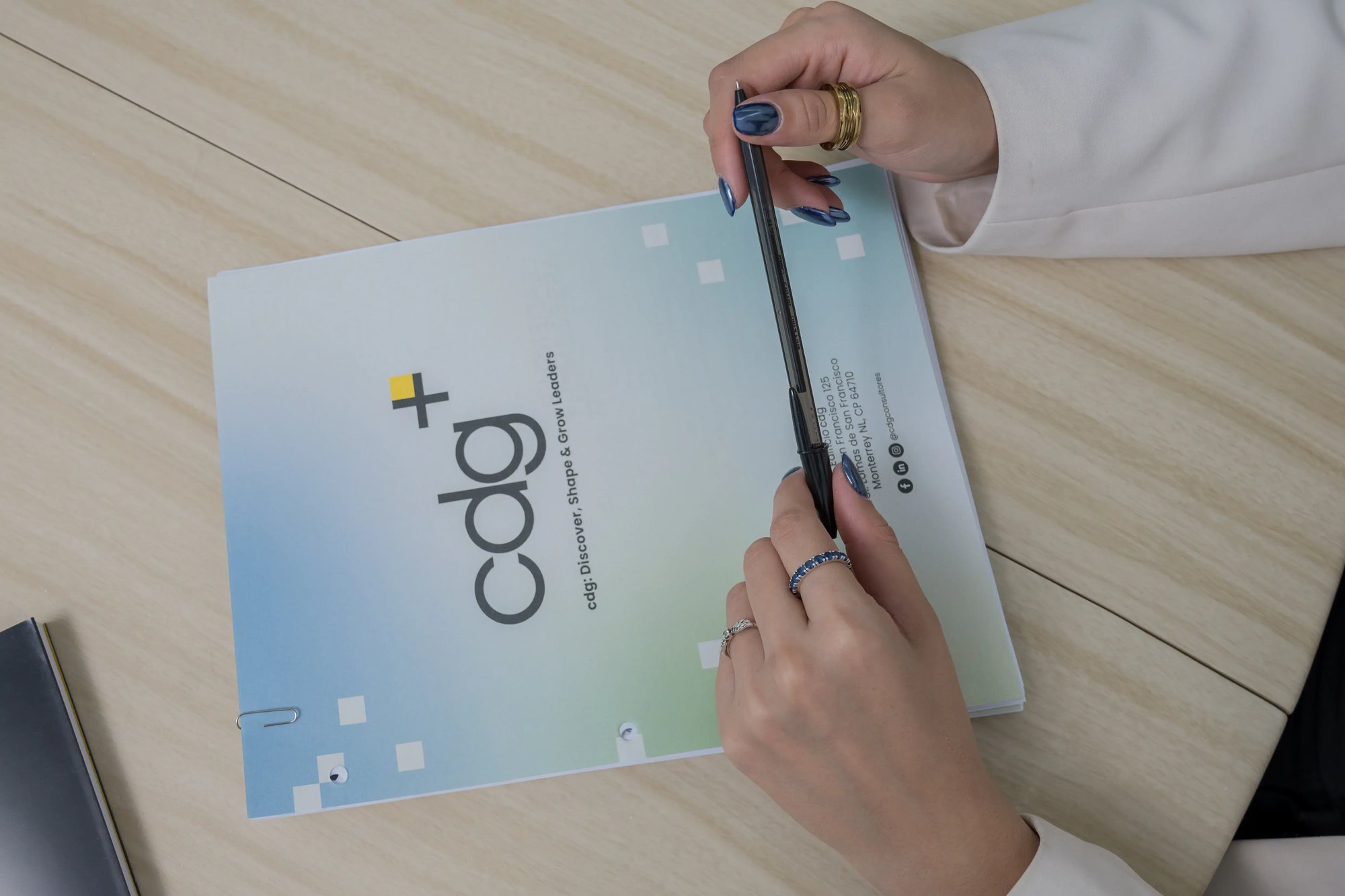
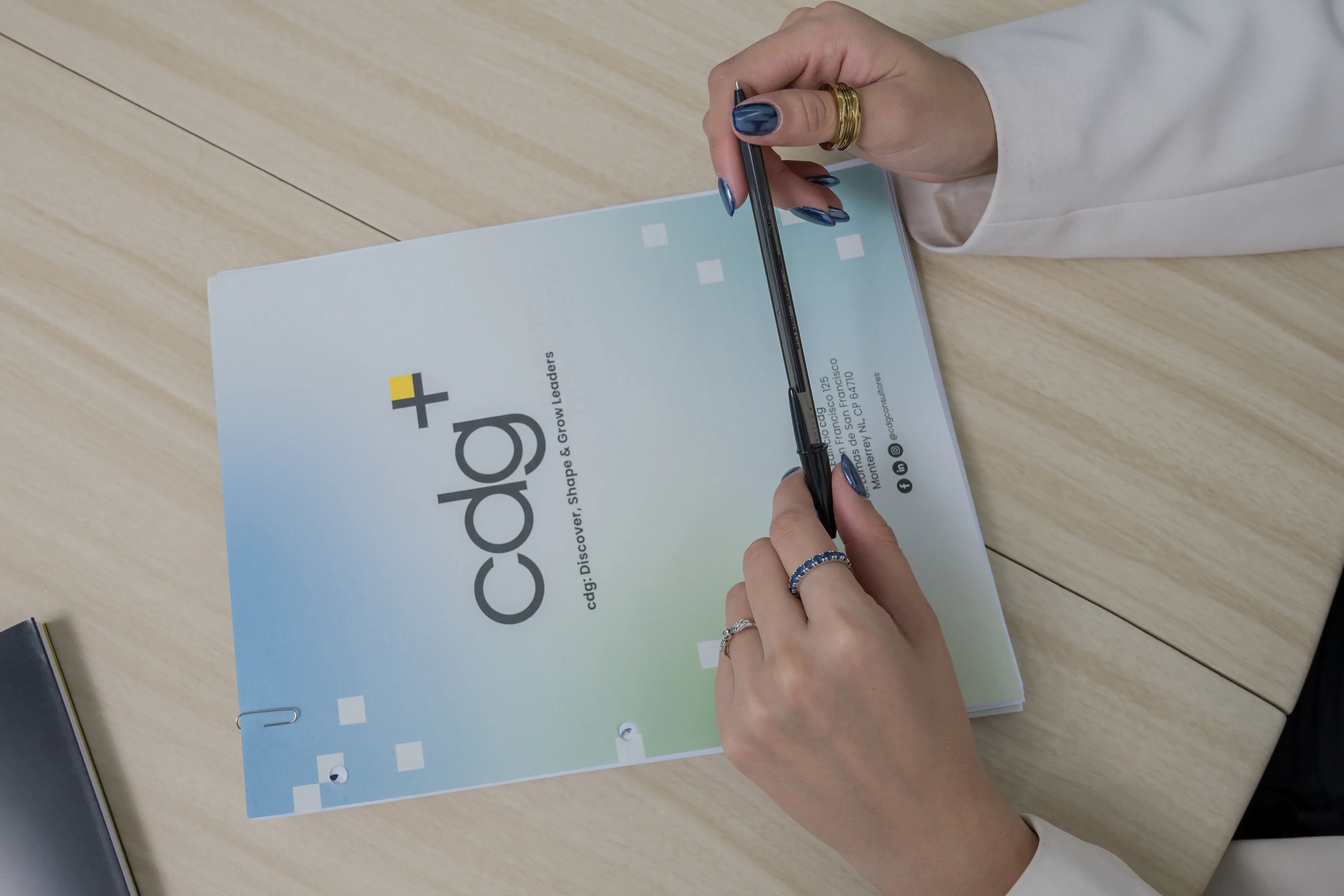
Corporate graphic on the purpose of executive coaching: developing leadership potential, clarity of vision and achieving business goals

What is executive coaching for companies?

It is a one-on-one process that helps a leader reflect on their performance, work on development goals and practice new ways of acting. It is tied to their responsibilities and to the organization's challenges.

cdg's process starts from an agreed purpose, brings in assessment data when relevant and organizes a work plan with sessions and practice. It is not a mass course or an automatic fix for any performance issue.

When should you consider coaching for a leader?

Directors and senior managers

When they need to work on specific competencies related to their responsibilities and decisions.
Leaders in role transitions

When a promotion or a change in scope calls for new conversations, delegation or ways of influencing.

Team leaders

When they want to strengthen relationships, feedback and coordination with their teams and other areas.

HR and senior leadership

When they need to support individual development with shared goals and review criteria.

Individual goals connected to the job

Capabilities that connect development with everyday work.

Self-awareness: Recognize strengths, development areas and behavior patterns through reflection and available evidence.

Development plan: Prioritize competencies and define actions tied to the role and business challenges.

Practice between sessions: Apply agreements in real conversations, decisions or situations and review what was learned.

Agreed follow-up: Review progress and next steps within the confidentiality limits defined at the start.

Clear agreements for a trust-based process

When a company sponsors coaching, it helps to distinguish between the participant, the coach and the organization's stakeholders. Before starting, everyone should agree on goals, confidentiality, what information can be shared and any exceptions.

Follow-up can focus on agreed goals, actions and progress without automatically passing on the private content of the sessions. Observation in real meetings, if included, requires explicit authorization and conditions.

Coaching does not replace psychological care, disciplinary processes or the organization's management decisions. If the challenge calls for a different intervention, that should be defined before committing to the scope.

Competencies you can work on in coaching

There is no one-size-fits-all curriculum. Goals are prioritized based on the role, the assessment and the agreements of the process.

  • Corporate graphic on the purpose of executive coaching: developing leadership potential, clarity of vision and achieving business goals

    Influence and communication

    Prepare key conversations, communicate expectations and recognize the effect of one's own leadership style.
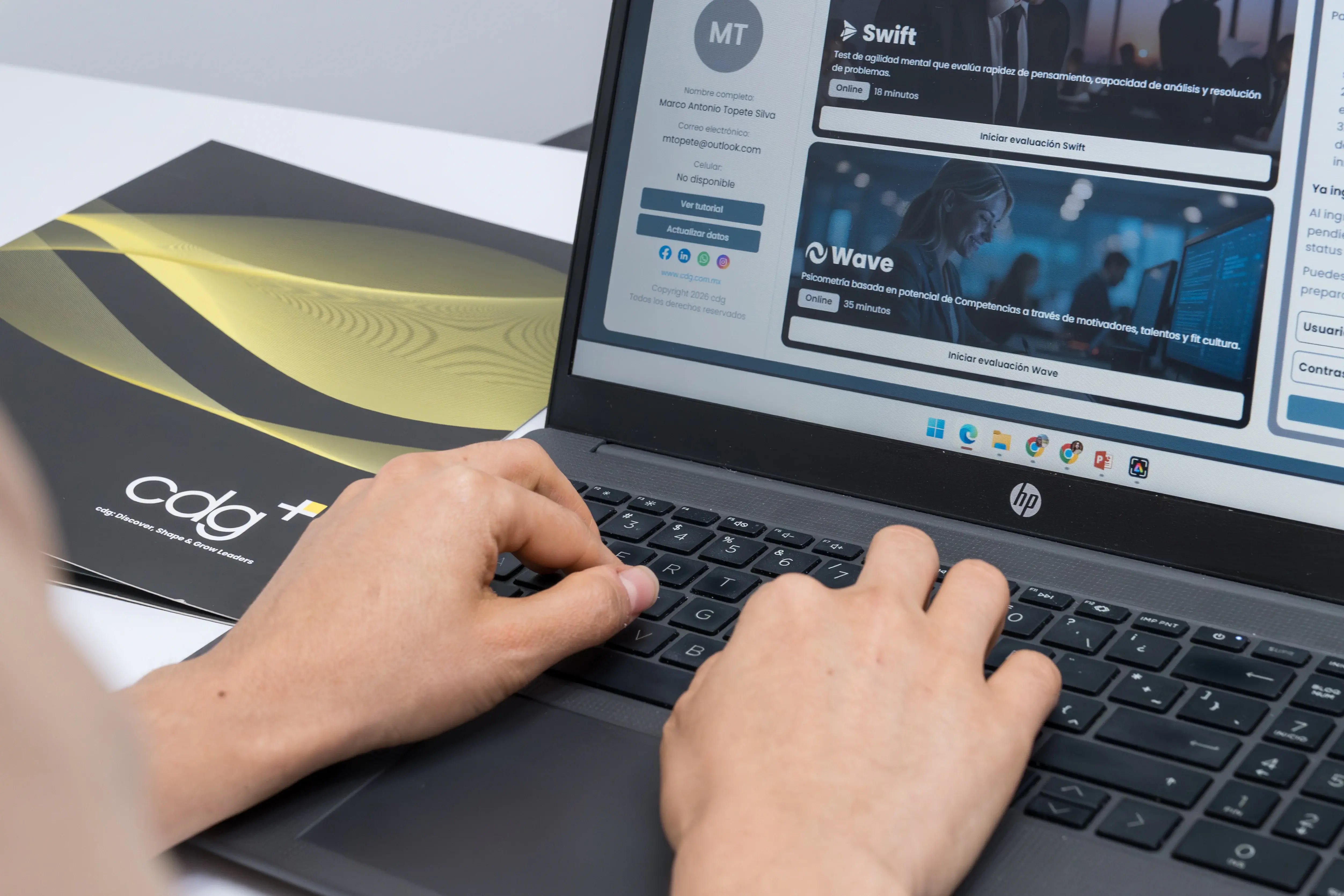
  • Leadership competency assessment matrix used by cdg to diagnose strengths and development areas before coaching begins

    Delegation and team development

    Clarify responsibilities, give feedback and encourage employee autonomy.
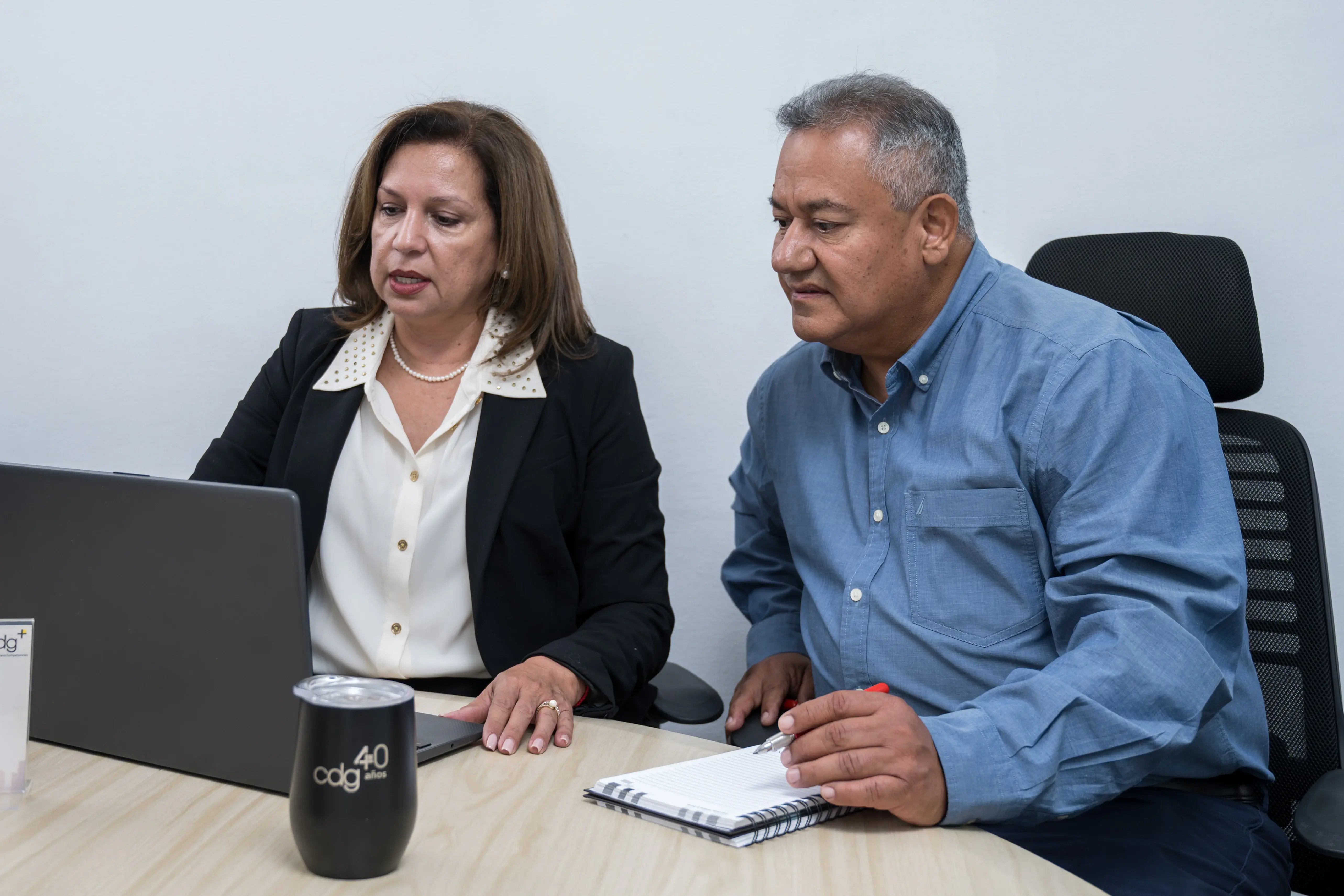
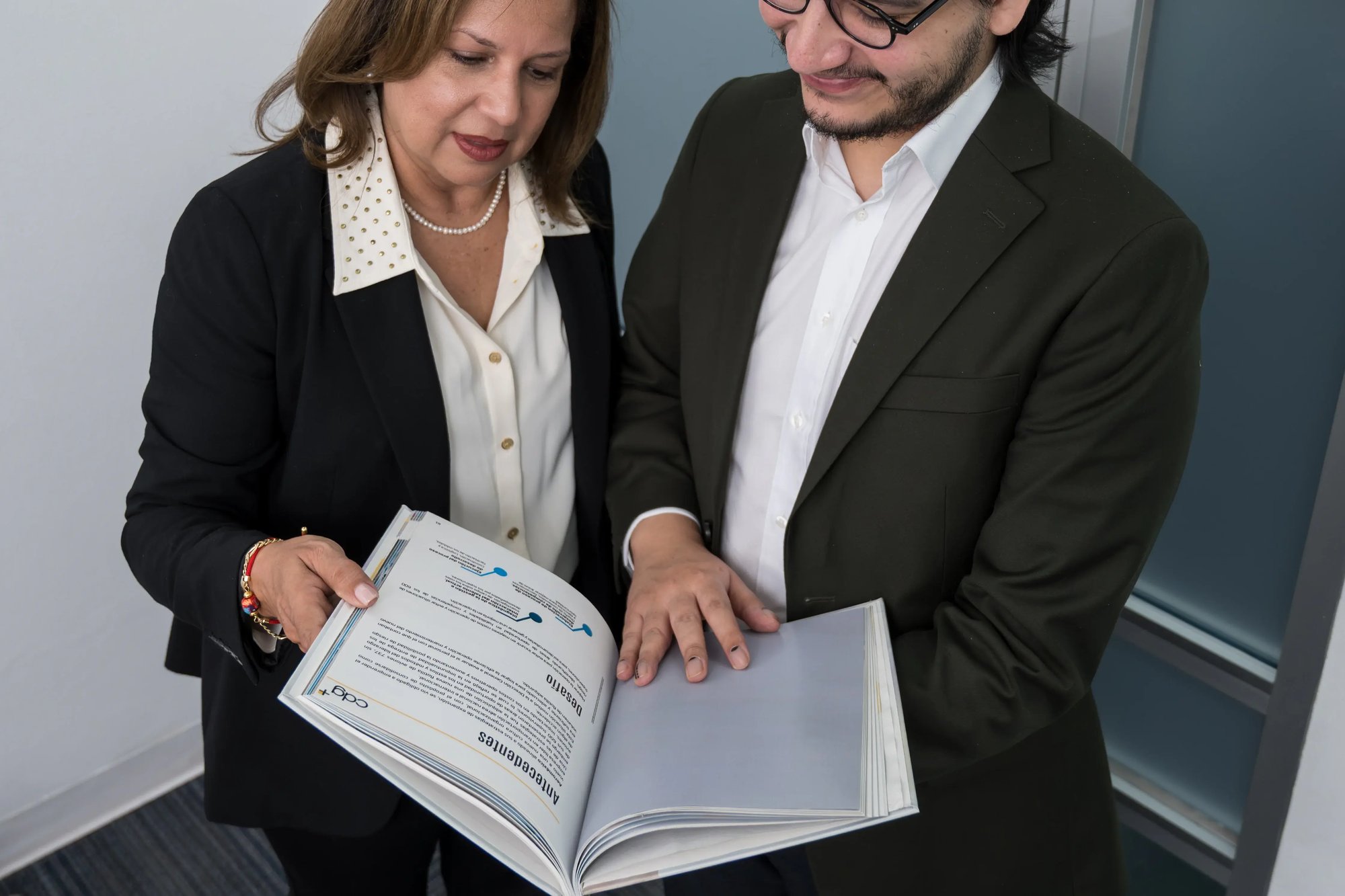
  • cdg consultant giving a manager personalized leadership feedback based on their diagnostic report

    Judgment and decision-making

    Review priorities, assumptions and options in complex situations in the role.
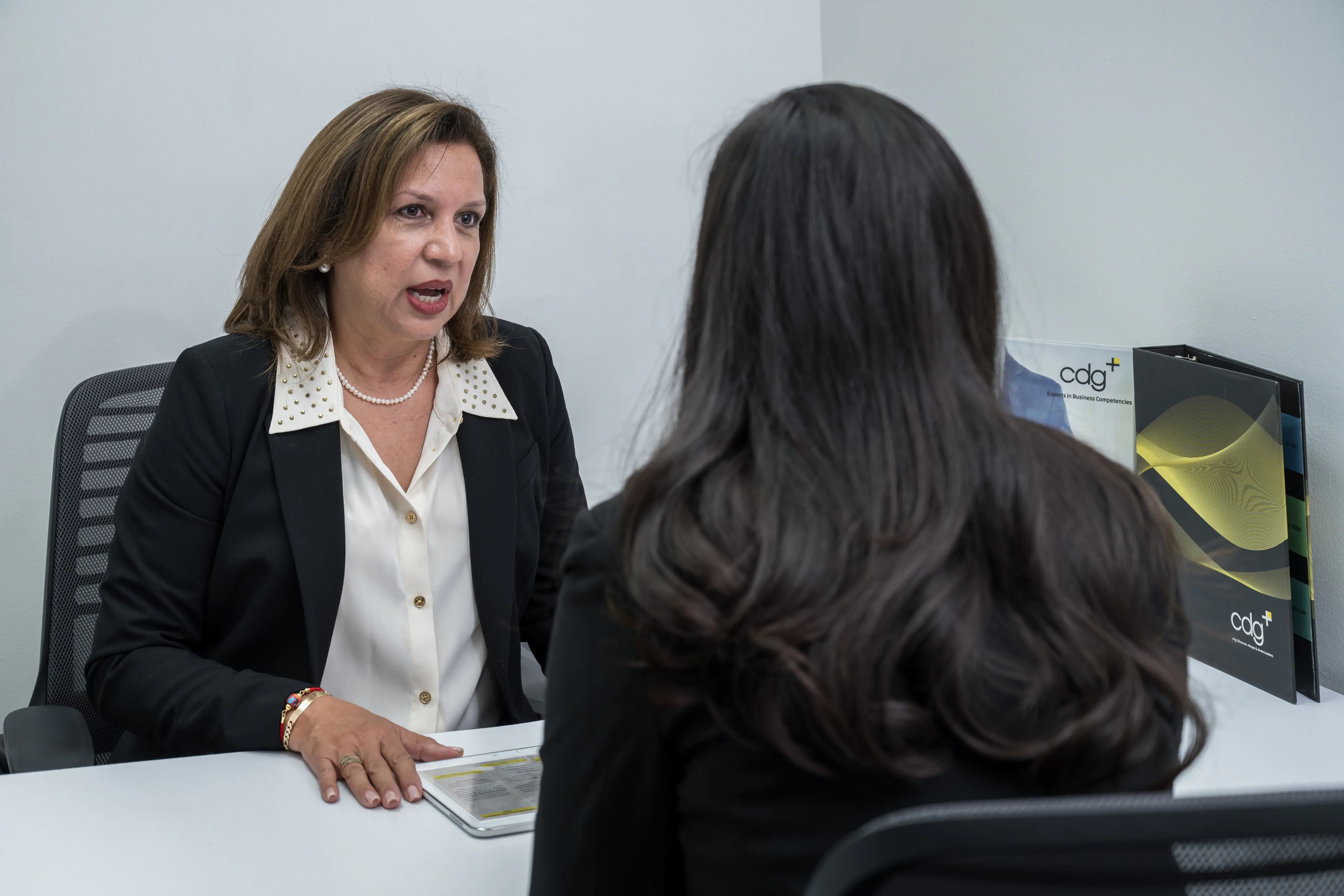
  • In-person one-on-one executive coaching session focused on solving operational challenges and refining leadership skills

    Transitions and relationships

    Adapt to new responsibilities and align expectations with one's manager, peers and team.
Our executive coaching methodology

1. Agree on the purpose

In an initial one-hour orientation session, we review the challenge, goals, responsibilities and conditions of the process with the organization and the participant.

2. Bring in the assessment

We review available competency, performance and 360° data. An assessment center and interviews may be proposed when relevant.

3. Give feedback and plan

In a 90-minute orientation session, we review the findings and build a development plan. Goals shared with HR are defined in advance.

4. Support and review

The standard format includes about six 90-minute sessions, every one or two weeks, with practice between sessions and a final executive report with an agreed scope.

Infographic on the key reasons to use an assessment center for internal promotion and succession planning

Executive coaching case studies

cdg engagements that show how development connects with organizational challenges.

  • Federal public administration building

    Federal public administration

    Challenge: Support the development of 80 senior officials and align performance across general directorates.

    Intervention: A seven-month process with 1,000 individual sessions and ongoing support. The engagement documented progress in professional development, emotional intelligence and decision-making.

  • Advance Real Estate building

    Advance Real Estate

    Challenge: Identify gaps between the competencies required by management roles, the people in them and the business challenges.

    Intervention: Assessment in the context of their professional work and collaboration with HR to design individual coaching processes focused on performance and goal achievement.

Connect with our experts

Let's define the purpose of coaching for your organization

Tell us the participant's role, the development challenge and the business context. We'll review goals, available assessments, the coaching profile needed and the conditions of the process.

We work with companies and corporate groups; we do not offer individual enrollment.

Two cdg professionals shaking hands

Request information for your company

Frequently asked questions

What is the difference between coaching, mentoring and training?

Coaching supports the participant's reflection and actions; mentoring offers guidance based on the mentor's experience; training organizes the learning of content or skills. It's best to define which approach the goal requires before hiring.

Who sets the goals of executive coaching?

They are agreed with the participant and the organization's stakeholders, defining development expectations, responsibilities and follow-up criteria.

Is an assessment center required?

It should not be assumed to be a universal requirement. Existing information is reviewed and the most relevant assessment is chosen. If an assessment center, interviews or a 360° assessment are included, they must be specified.

How many sessions does the process include?

It includes about six 90-minute sessions, spaced one to two weeks apart, plus the initial steps. The final number of sessions and schedule are agreed based on the goals.

What information does HR receive?

Goals, progress and the report are shared according to the confidentiality agreements defined before the start. The private content of the sessions should not be treated as an automatic report for the company.

How do I choose a coach and check their credentials?

Ask for the proposed coach's profile, relevant experience, training and credentials, including the issuing institution and validity. The proposal should explain their approach and responsibilities without assuming a specific accreditation.

Related resources and programs

Explore options that complement this development need.

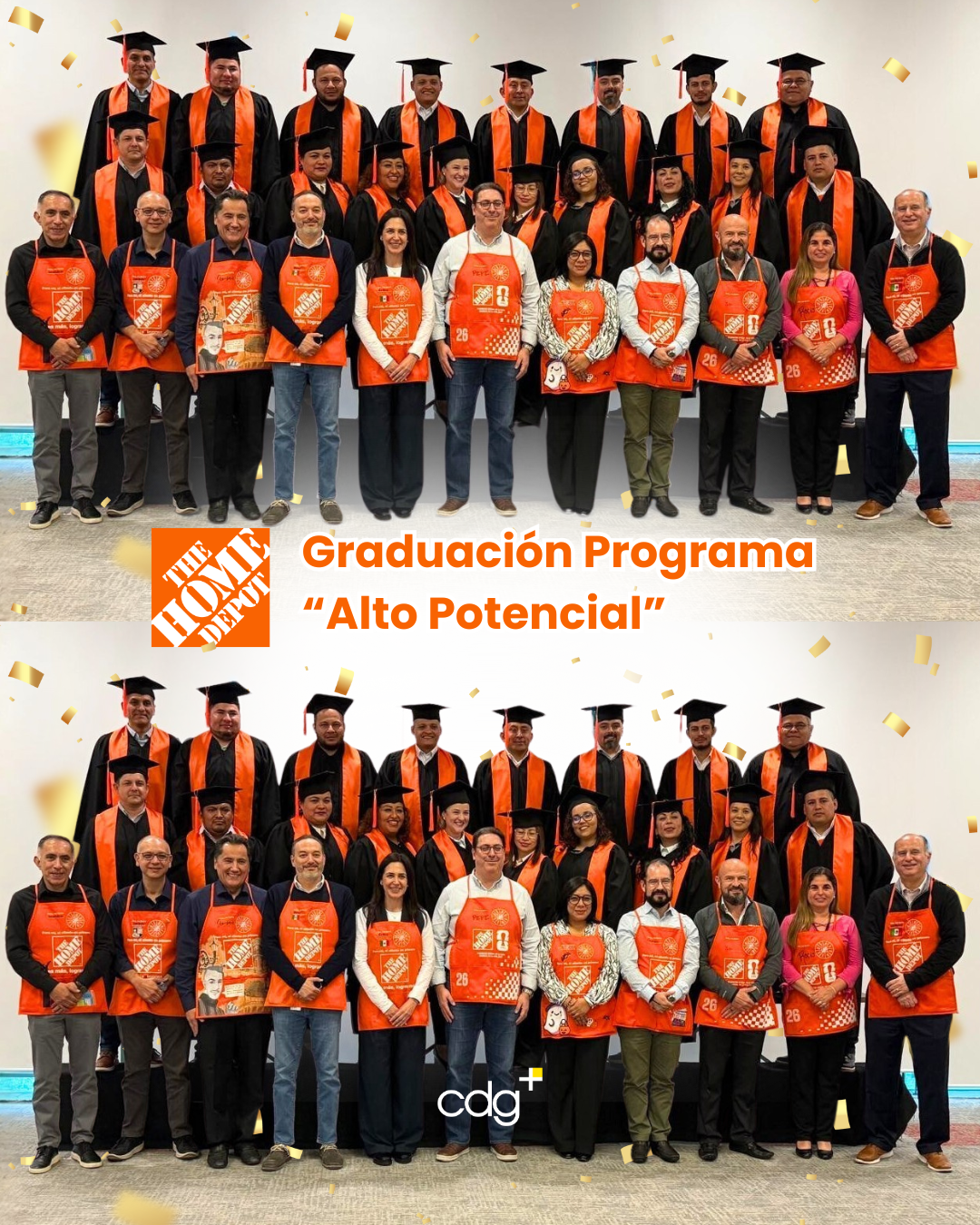
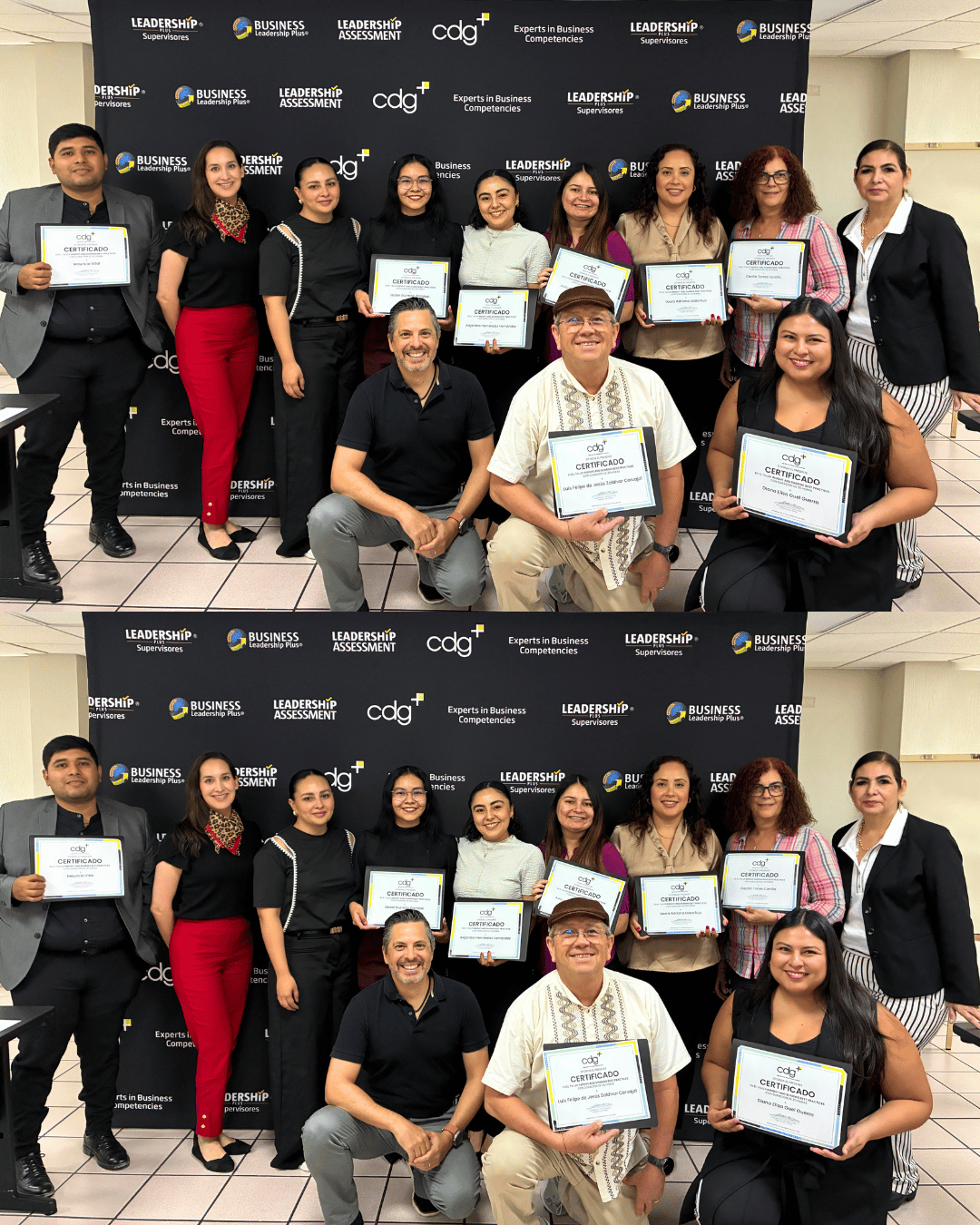
  • Graduation ceremony of a corporate management development program run by cdg

    Management development program

    A comprehensive path to strengthen how managers and executives lead.
    Explore the program
  • Program closing session

    Advanced management leadership

    Leadership competencies for dynamic, complex environments.
    Explore the program
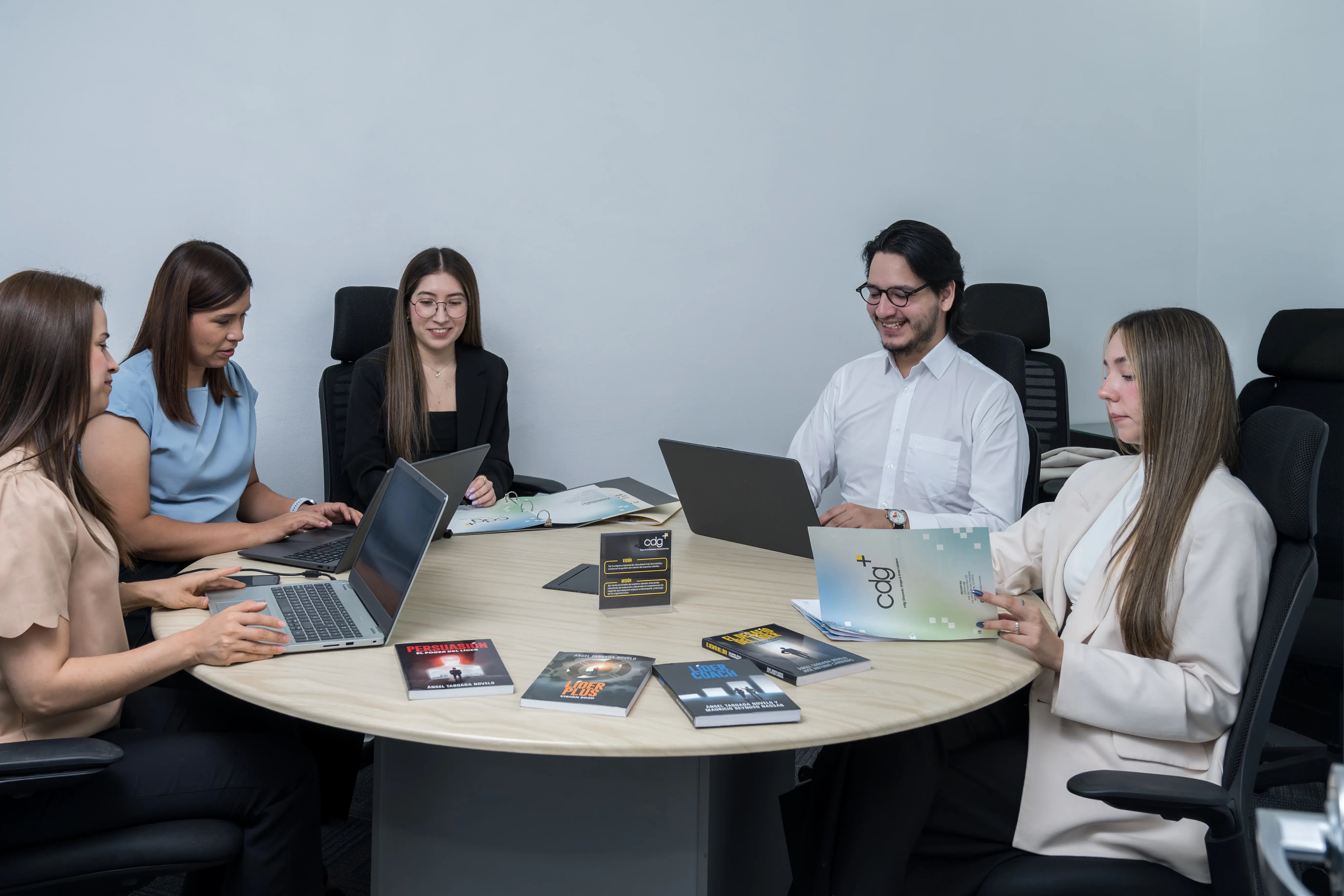
  • HR professionals analyzing talent strategies in a work meeting

    Custom training programs

    We design learning programs that connect competencies, culture and business priorities with on-the-job practice and application.

    Explore the program
  • Participant completing a printed assessment

    All cdg leadership programs

    Browse the index of courses and programs to compare options by leadership level based on your company's needs.
    Explore programs

Talent and leadership development specialists

Talk with the cdg team to define the purpose and the coaching profile you need. Before starting, ask about the experience, training and credentials of the coach proposed for the process.

Talk with our specialists
Profile photo of Liliana González, competency specialist.

Liliana González

Competency Specialist
Profile photo of Susana Romero, competency specialist.

Susana Romero

Competency Specialist

Profile photo of Ángel Taboada, managing partner at cdg.

Ángel Taboada Garza

Managing Partner

Support your leaders' development with clear goals

Let's start with the context, the priority competencies and the conditions of the process.