The 5 essential elements of cdg's assessment center methodology

What is Agile Leadership?

It is a program that develops leaders' ability to guide teams in changing environments. It connects clear priorities, collaboration, accountable autonomy and work reviews to adjust decisions and deliver value.

At cdg, Agile Leadership brings together agile leadership, workplace well-being, Scrum fundamentals and resilience. It doesn't suggest every area should work in sprints: it helps identify which practices fit the type of work and the team's needs.

In a market that demands immediate results, Agile Leadership: Implementing Scrum and Agility in Team Management has become the gold standard for high-level execution.

Which teams can benefit from this training?

Managers and mid-level managers

Leaders who need to improve priorities, delegation and follow-up without concentrating every decision.

Project leaders

People responsible for coordinating dependencies, scope changes and cross-functional conversations.

Hybrid or distributed teams

People who need explicit agreements on communication, autonomy and remote coordination.

Organizations going through change

Companies that want to combine adaptability, execution and well-being instead of adding meetings without purpose.

Tools to lead with agility and clarity

Capabilities that connect development with everyday work.

Prioritize with purpose: Connect tasks with goals and review priorities when new information comes in.

Delegate with agreements: Define expected results, decision limits and follow-up to encourage accountable autonomy.

Learn as a team: Use review and feedback conversations to identify obstacles and adjust practices.

Keep it sustainable: Recognize workloads, relationships and barriers that affect collaboration and team well-being.

Agility doesn't mean working faster at any cost

Agile leadership requires clarity about the value you're after, decision limits and the ability to learn. Renaming meetings or adopting sprints without reviewing dependencies and responsibilities can add complexity instead of removing it.

The program lets you discuss when Scrum practices make sense and when to adjust other forms of coordination. The training complements people management competencies; it doesn't replace them.

The reference format combines 24 asynchronous hours and six synchronous hours supported by an LMS. The schedule is adjusted to the group's availability and the agreed application activities.

Four modules that connect leadership and agile practices

Four modules combine people skills and coordination tools, with examples and activities adapted to the organization.

  • Agile leadership

    Effective communication, collaboration technologies, remote delegation agreements and the basics of the Leadership Plus Interaction Process.

  • Workplace well-being

    Emotional intelligence, empathy and interpersonal skills to sustain conversations and collaboration at work.

  • Scrum + Agile

    Agile and Scrum fundamentals, prioritization, project planning and review; choosing practices based on context.

  • Resilience and adapting to change

    Team learning, responding to change and actions to strengthen adaptability.

From principles to practices that work for your team

1. Review the context

We identify the type of work, coordination obstacles and the company's expectations.

2. Learn the fundamentals

We connect leadership competencies with agile principles and Scrum concepts without treating them as a universal recipe.

3. Practice the tools

We work on priorities, delegation, useful meetings and progress reviews through exercises and team situations.

4. Define application

Participants identify practices to take back to the job; follow-up activities are agreed in the proposal.

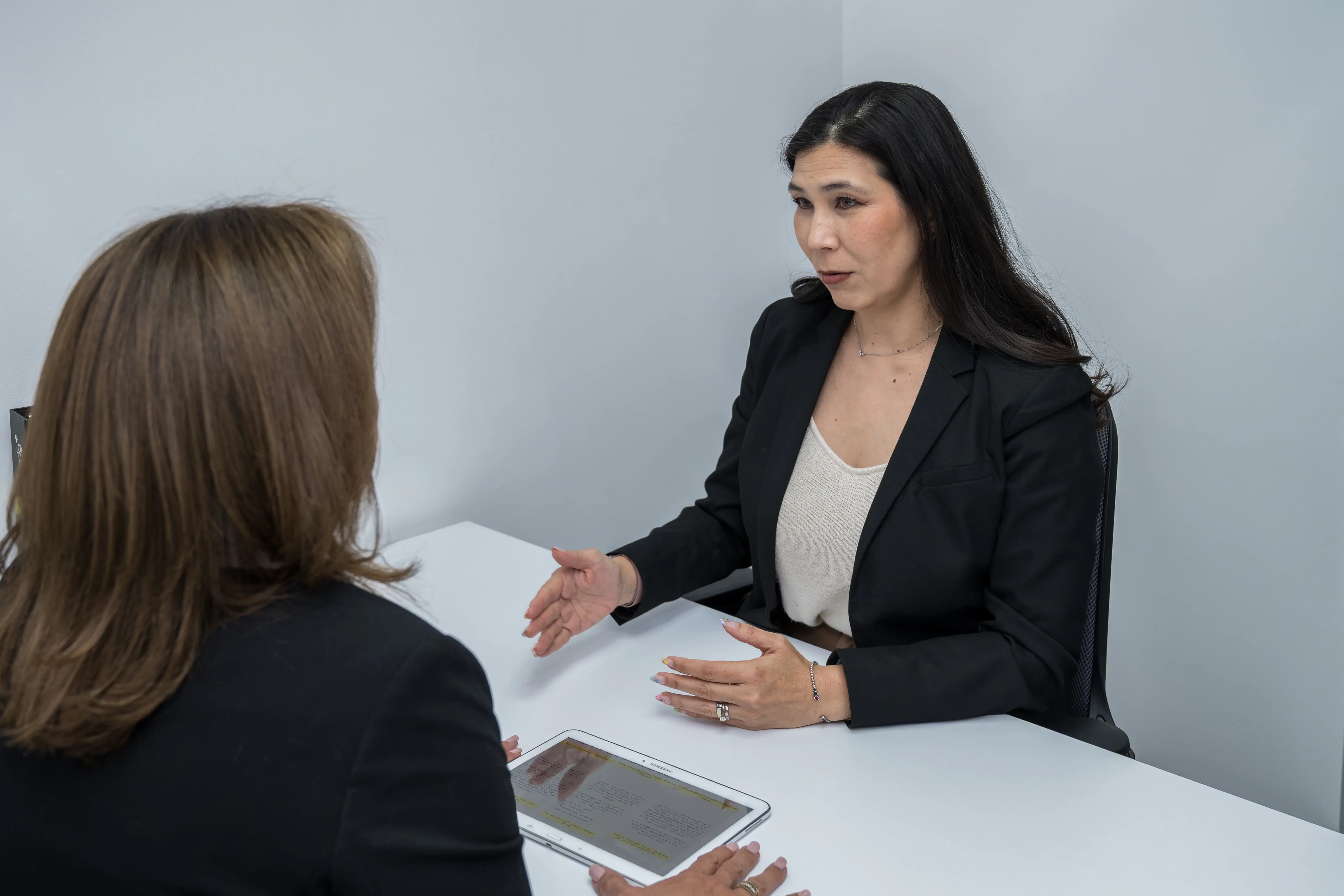
cdg facilitator in a coaching session.

Agile principles, with clear context and limits

The Agile Manifesto was born in software development and emphasizes collaboration, adaptation, a sustainable pace and regular reflection. Applying its principles to other functions requires reviewing the context. Further reading: Principles behind the Agile Manifesto.

Connect with our experts

Let's design an agile leadership path for your company

Tell us about your leaders, how their teams work and the difficulties they face when prioritizing, delegating or coordinating. We'll review the scope and the most relevant practices.

We work with companies and corporate groups; we do not offer individual enrollment.

Two cdg professionals shaking hands

Request information for your company

How is Agile Leadership organized?

4 modules

One to two weeks per module as a guideline workload.

1 to 2 months

A schedule that combines sessions and practice, adjusted to the group's availability.

30 hours of learning

24 asynchronous hours and six synchronous hours supported by an LMS.

Frequently asked questions

Is agile leadership the same as Scrum?

No. Agile leadership covers how to guide, coordinate and develop teams through change. Scrum is a specific framework; the program includes its fundamentals but doesn't reduce all of leadership to that framework.

Is it only for tech companies?

Not necessarily. The practices can be relevant for other functions, as long as they are adapted to the type of work, dependencies and goals. We don't propose imposing sprints on every area.

Do we need prior Agile experience?

The group's level is reviewed before the design. The path includes fundamentals and can adapt depth, language and exercises to participants' experience.

How long is it, and what is the format?

24 asynchronous hours and six synchronous hours supported by an LMS. The schedule and current availability of this format should be confirmed; the proposal can be adjusted to the project.

Is it a professional Scrum certification?

No. The program develops agile leadership and includes Scrum fundamentals; it is not presented as a professional certification in that framework.

Can it be adapted for remote or hybrid teams?

Yes. The remote communication and delegation topics let teams work on collaboration agreements. Tools and activities are defined based on the team's environment and needs.

Related resources and programs

Explore options that complement this development need.

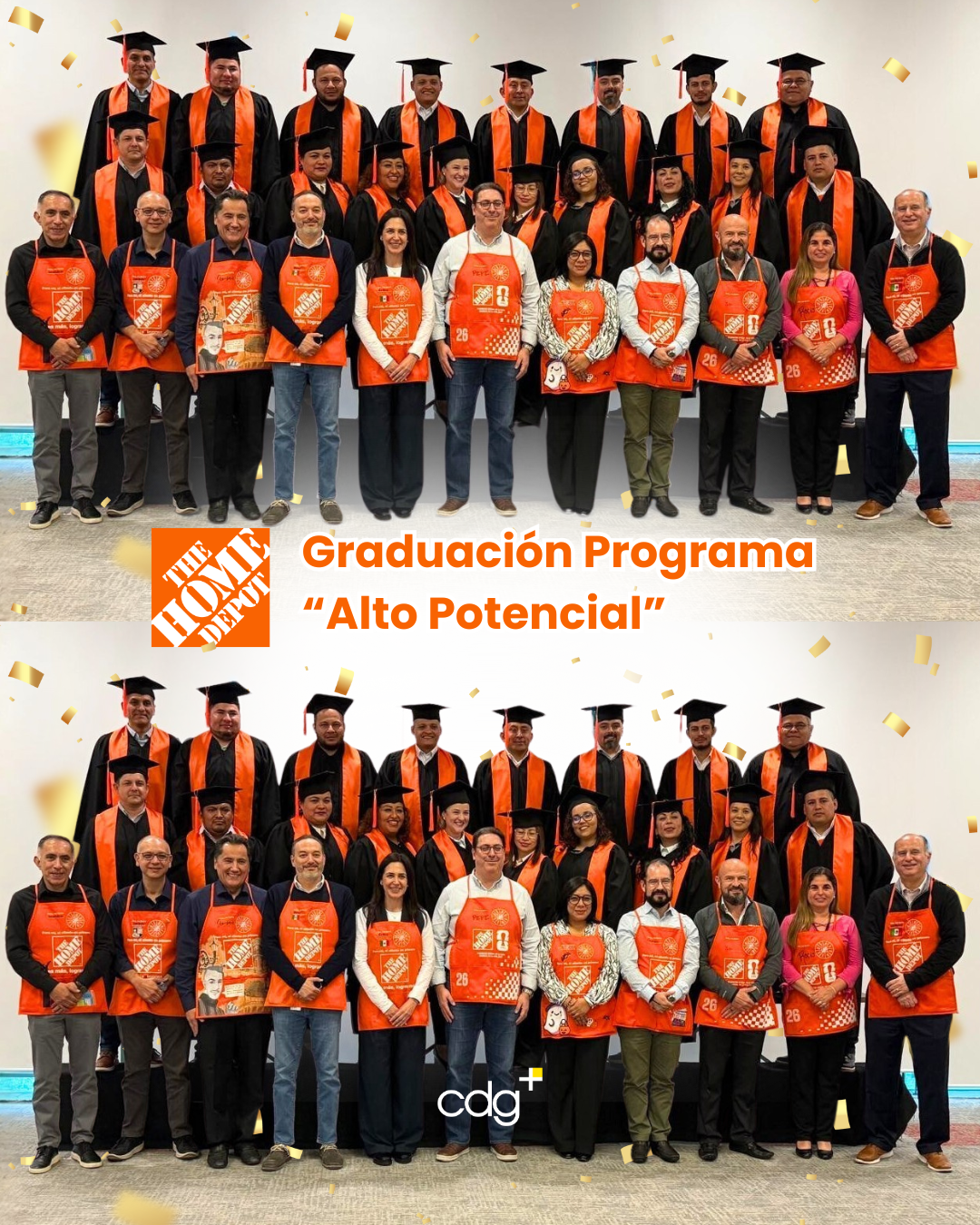
  • Graduation ceremony of a corporate management development program run by cdg

    Management development program

    A comprehensive path to strengthen how managers and executives lead.

    Explore the program
  • HR professionals analyzing talent strategies in a work meeting

    Custom training programs

    We design learning programs that connect competencies, culture and business priorities with on-the-job practice and application.

    Explore the program
  • Participant completing a printed assessment

    All cdg leadership programs

    Browse the index of courses and programs to compare options based on your company's needs.
    Explore programs

Talent and leadership development specialists

cdg specialists in competencies and leadership help you define a path that connects agile practices with the needs of your people and your business. The facilitator profile is specified in the proposal.

Talk with our specialists
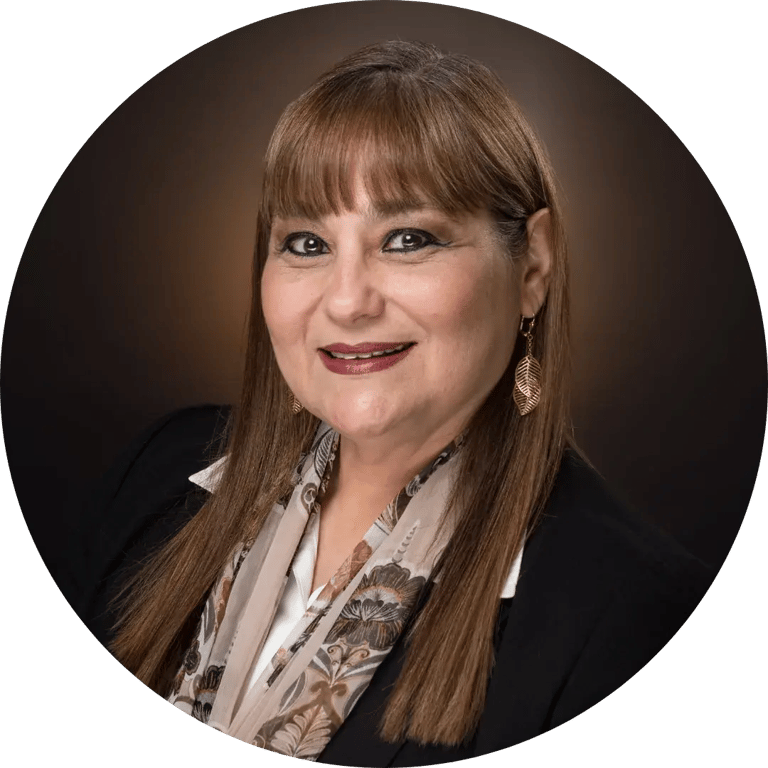
Profile photo of Liliana González, competency specialist.

Liliana González

Competency Specialist

Profile photo of Susana Romero, competency specialist.

Susana Romero

Competency Specialist

Profile photo of Ángel Taboada, managing partner at cdg.

Ángel Taboada Garza

Managing Partner

Develop leaders who adapt work with sound judgment

Let's talk about priorities, collaboration and practices your team can apply.