HR and talent development
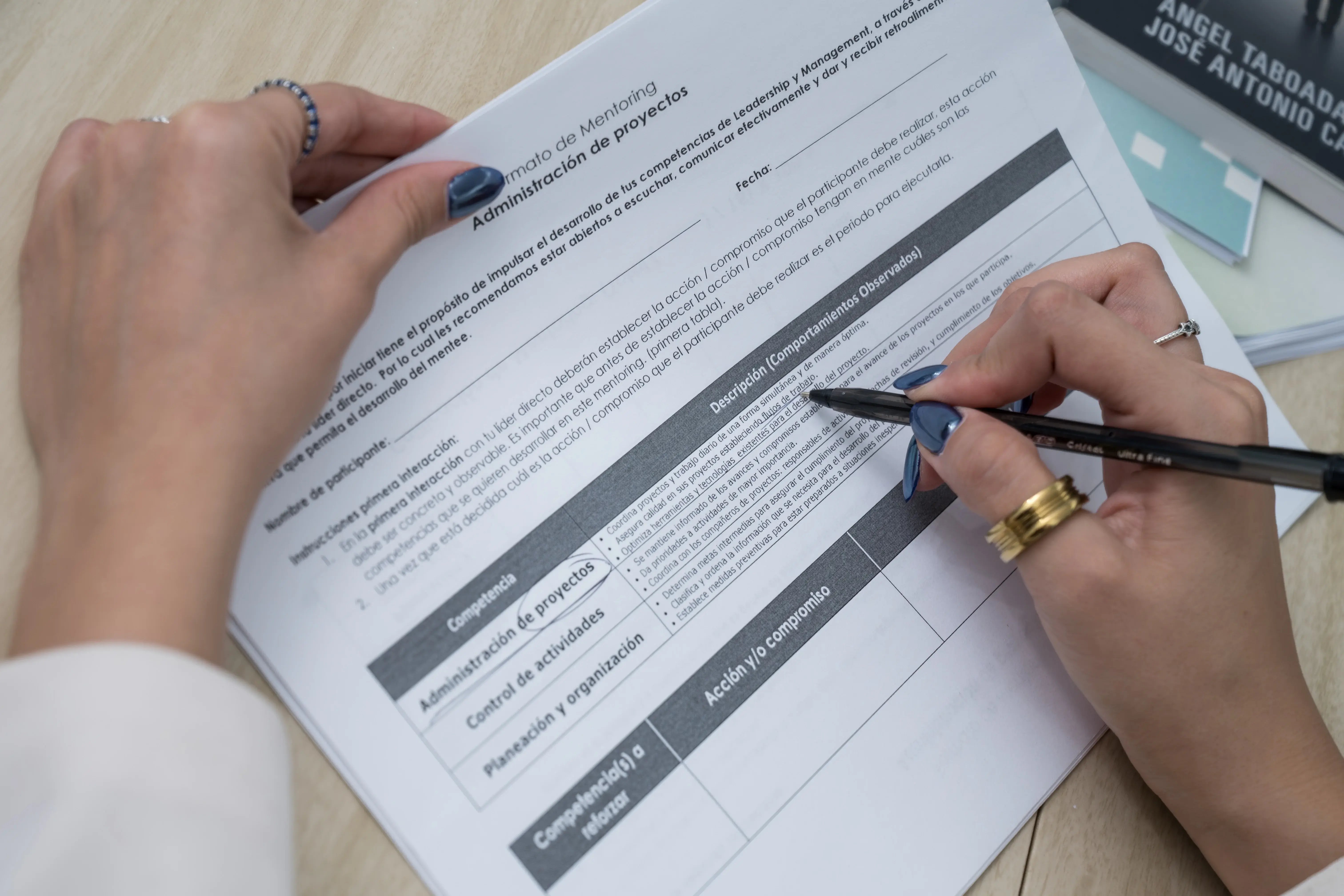
Build a training path based on the training needs analysis, competency assessments and development priorities.

We design learning programs that connect competencies, culture and business priorities with on-the-job practice and application.
If your organization needs alignment with specific values, its own case studies or complex logistics, the custom program is the strategic choice.
Proven best practices in leadership acceleration use the 70-20-10 model to ensure a change in participants' competencies, along with robust methods to secure a return on investment from training programs.
So, rather than a generic management leadership course, our leadership acceleration process is measurable, flexible and scalable. It responds to current organizational and HR development needs and delivers results in every training program through our proprietary MARCA methodology.
Build a training path based on the training needs analysis, competency assessments and development priorities.
Turn changes in strategy, culture or operating model into capabilities teams need to apply.
Standardize sales, HR or operations practices and build a learning foundation by function.
Roll out consistent experiences adjusted by population, responsibilities and working conditions.
Capabilities that connect development with everyday work.
Prioritized gaps: Distinguish the learning needs that matter for operations and strategy.
Development path: Organize competencies, content and practice by population and level of responsibility.
Applied in context: Use cases, exercises and tools connected with real work situations.
Evidence of progress: Define criteria to review learning and application, based on scope and available data.
cdg's MARCA methodology guides support and the application of learning. In a custom program, it can mean practice with business cases, participant commitments and the involvement of key stakeholders to support transfer to the job.
Before the start, we agree on deliverables and how to evaluate: knowledge, use of a tool, observable behavior or project progress. Measuring return on investment requires data, costs and attribution criteria; it can't be inferred from a satisfaction survey alone.
The proposal can include in-person, virtual or blended sessions and supporting digital resources. We define with the company which deliverables it needs, who will take part and how the rollout will be supported.
The solution can combine one or more options; not every need requires building a course from scratch.
cdg is a proven partner for designing and rolling out training and the development of specific competencies in your organization, in person, virtually or blended, even on challenging preparation and rollout timelines.
Our experience includes more than 250 custom programs and more than 1,000,000 hours of facilitated training.
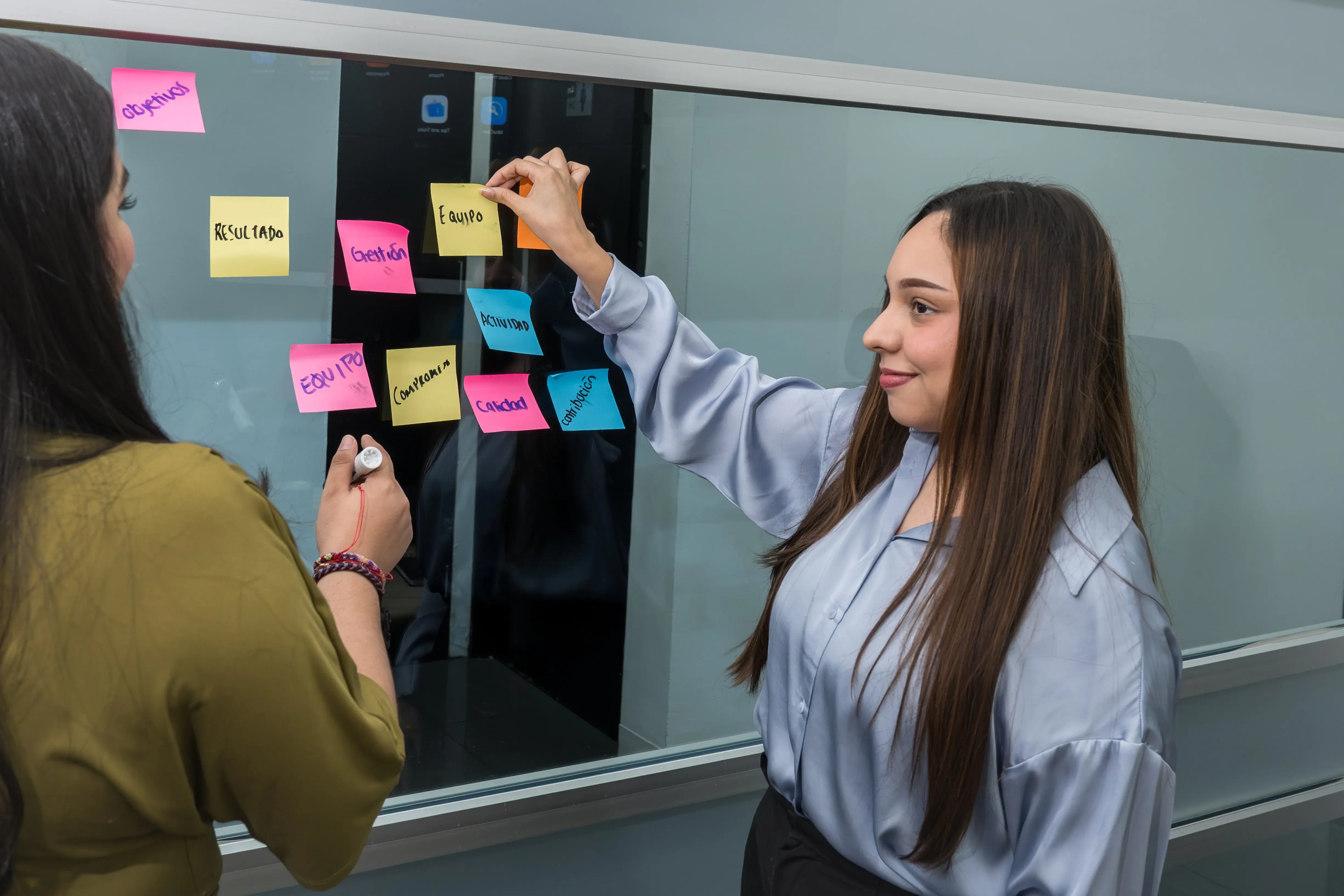
cdg creates content to support organizational strategy rollouts or change interventions.
We get involved in the organization's challenges and design awareness, learning and application resources.
We support and advise so learning journeys achieve their higher-level goals.

cdg has more than 150 topics successfully delivered, which organizations can combine into a set of ready-to-deploy courses aligned with the 70-20-10 model and return on investment.
It is designed for organizations with a formal or informal training needs analysis that want to start rolling out quickly, a proven option.
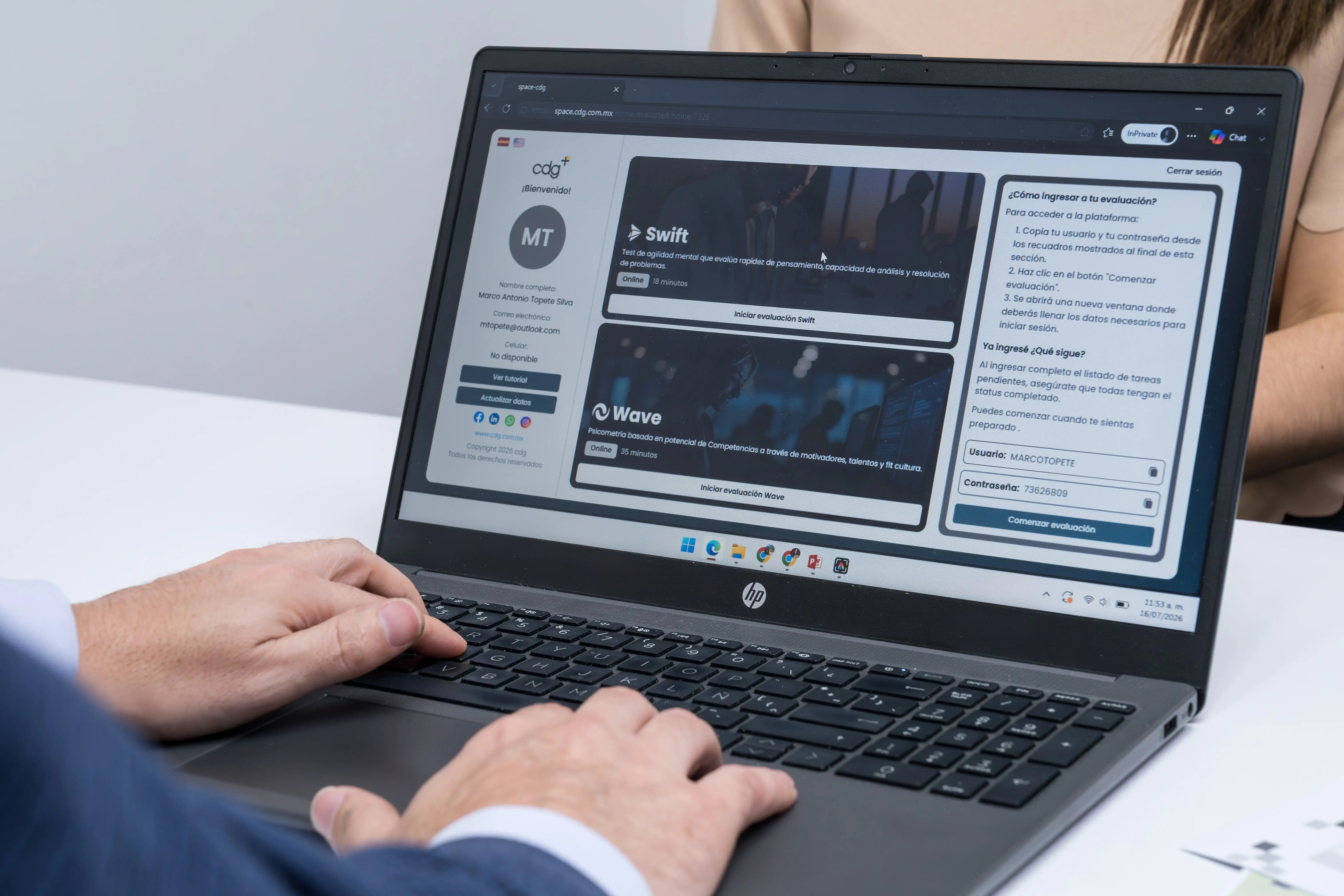
cdg advises on and rolls out functional schools in organizations, so they can lay the foundations for operational excellence and innovation in their business units.
Over the long term, some organizations go on to build a corporate university.

We review the available training needs analysis, assessments, context and stakeholder expectations. We also identify barriers that training won't solve.
We define goals, content, cases, activities, formats and evaluation criteria with the company.
We agree on resources, facilitation, logistics and schedule. The project can include a pilot and adjustments before a wider rollout.
When the scope includes it, we gather evidence of practice, feedback and progress to guide next steps.
Goals and activities tied to the proficiency levels the company requires.
Options such as video storytelling, mobile learning, microlearning, social learning and gamification, depending on the design.
Resource development with tools such as Articulate, and adaptation of in-person experiences to digital environments.
Coordination with internal owners and review of improvement opportunities during implementation.
cdg engagements that show how development connects with organizational challenges.
Challenge: Address development gaps identified through a training needs analysis for mid-level managers.
Intervention: Implementation of Business Leadership Plus with application projects to strengthen coordination and understanding between executive and management levels.

Challenge: Institutionalize management development and connect skills with key business processes.
Intervention: A training path based on on-the-job application and follow-up, which the organization built into its leadership development process.

Challenge: Identify priorities to strengthen leadership and management at the manager level.
Intervention: Process observation and a review of interviews, organizational climate and exits to select relevant topics and roll out Business Leadership Plus modules.

The CIPD recommends linking learning needs to current and future capabilities and to business performance gaps. That approach helps you tell when to adapt content, design a learning path or fix a process problem instead of adding more training.
Further reading: CIPD: Learning needs analysis.
Share the business challenge, the competencies to develop, the participants, sites, schedule and any training needs analysis you have. We'll review which parts existing content can cover and which need specific design.
We work with companies and corporate groups; we do not offer individual enrollment.
By submitting this form, you agree that we will process your information in accordance with our privacy policy, for professional purposes only.

The catalog offers pre-structured content. A custom program adapts or designs goals, sequence, activities and evaluation for an organizational need. Both can be combined.
A training needs analysis makes design easier, but other sources can be reviewed: performance reviews, competency assessments, interviews and business priorities. The analysis required is defined before quoting.
Yes. Customization can include your own language, competencies, values and situations, with the company's validation and agreements on the use of internal information.
In person, virtual or blended, depending on the goals, the participants and operating conditions. Digital resources and the platform are defined in the scope.
Learning and application criteria are agreed before the start. They can include exercises, work products, observation and follow-up when the project includes them; the indicators depend on the goals and available data.
It depends on the level of customization, the amount of content, approvals, participants and sites. The proposal should separate design, preparation and rollout timelines.
Explore options that complement this development need.
A comprehensive path to strengthen how managers and executives lead.

Build new capabilities to lead technology change, interpret data and coordinate teams in evolving work environments.

Strengthen communication, delegation and coordination with agile practices, Scrum fundamentals and tools to learn from change.

Browse the index of courses and programs to compare options by leadership level and your company's needs.

cdg specialists in competencies and talent development help you turn organizational needs into a learning path. The scope of instructional design, facilitation and follow-up is defined in each proposal.
Liliana González
Competency Specialist

Susana Romero
Competency Specialist

Ángel Taboada Garza
Managing Partner

Let's start with your company's gaps, goals and real conditions.
Contact