Leadership teams
When they need to roll out strategy, agree on priorities or coordinate decisions across areas.
Bring leadership and work teams together with facilitated experiences that connect collaboration, business priorities and actionable agreements.
It is a team integration intervention that combines activities, reflection and work conversations to strengthen how people collaborate. Its purpose goes beyond socializing: it clarifies priorities, responsibilities and shared commitments.
At cdg, we design team building around the organization's challenge. We keep the value of a participatory experience and connect it with decisions, deliverables and next steps agreed with leadership and HR.
When they need to roll out strategy, agree on priorities or coordinate decisions across areas.
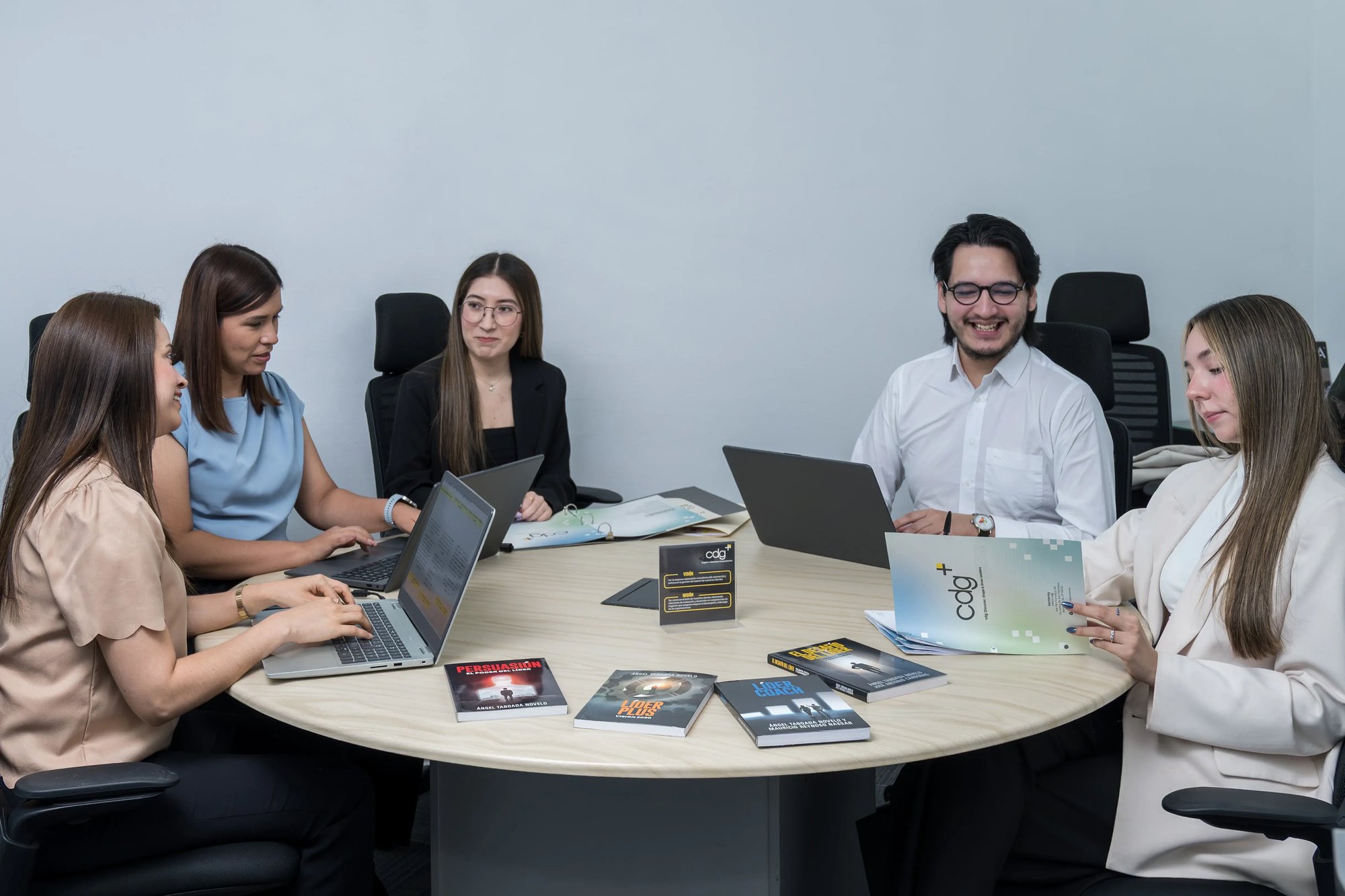
When collaboration suffers from unclear expectations, silos or commitments that aren't met.
When they need to build cultural agreements, integrate ways of working and communicate a shared direction.
When they need to recognize differences, share best practices and align performance criteria.
Capabilities that connect development with everyday work.
Shared priorities: Connect each area's work with the team's goals and define what needs joint attention.
Communication and trust: Practice listening, feedback and conversations about differences without discrediting people.
Cross-functional accountability: Agree on roles, expectations and ways of collaborating to manage dependencies and commitments.
Continuity plan: Define actions, owners and a follow-up review of agreements, based on the contracted scope.
Before the intervention, it helps to agree on what you want to observe: clarity of responsibilities, quality of coordination, cross-functional commitments or progress on an initiative. Satisfaction with the event provides information, but it doesn't replace reviewing what happens afterward.
Agreements can be reviewed with leadership and HR to distinguish what was applied, which obstacles remain and what requires a different intervention.
⭐ 94% satisfaction among team building sponsors, based on results two months after delivery.
The agenda can combine these areas based on the purpose and the makeup of the group.
Turn guidelines and goals into team priorities and contribution agreements.
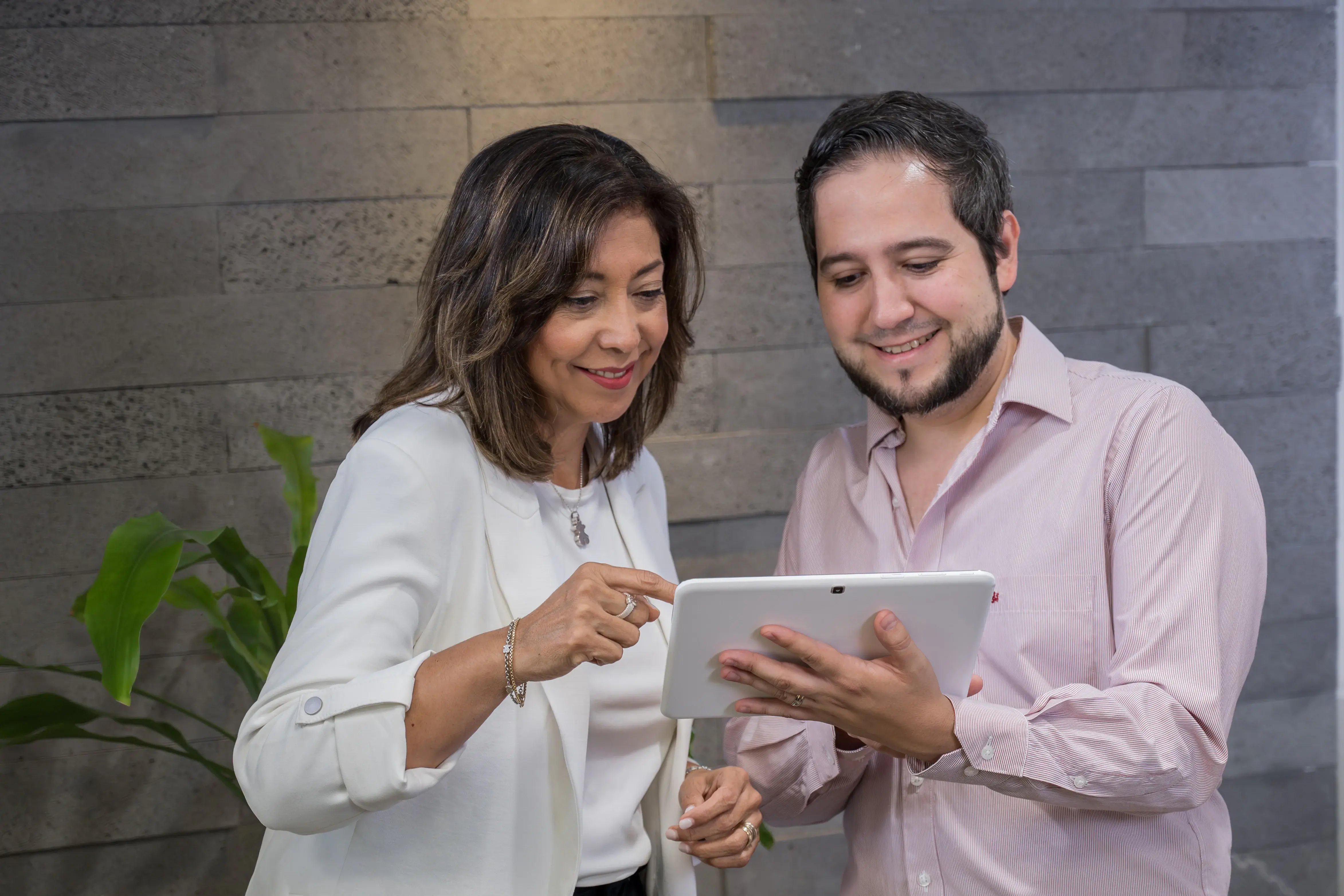
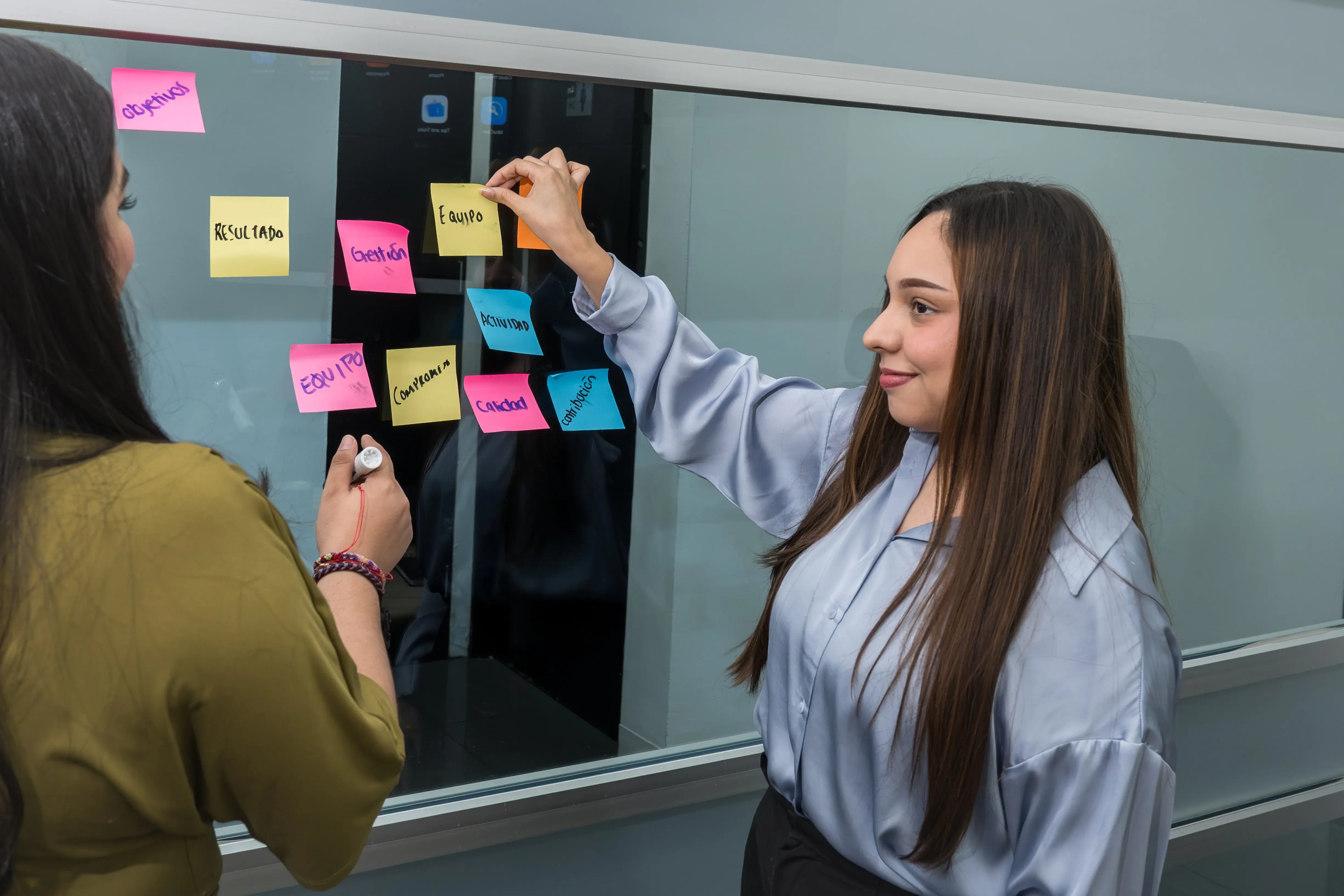
Solve participatory challenges to observe coordination, listening, roles and decision-making.
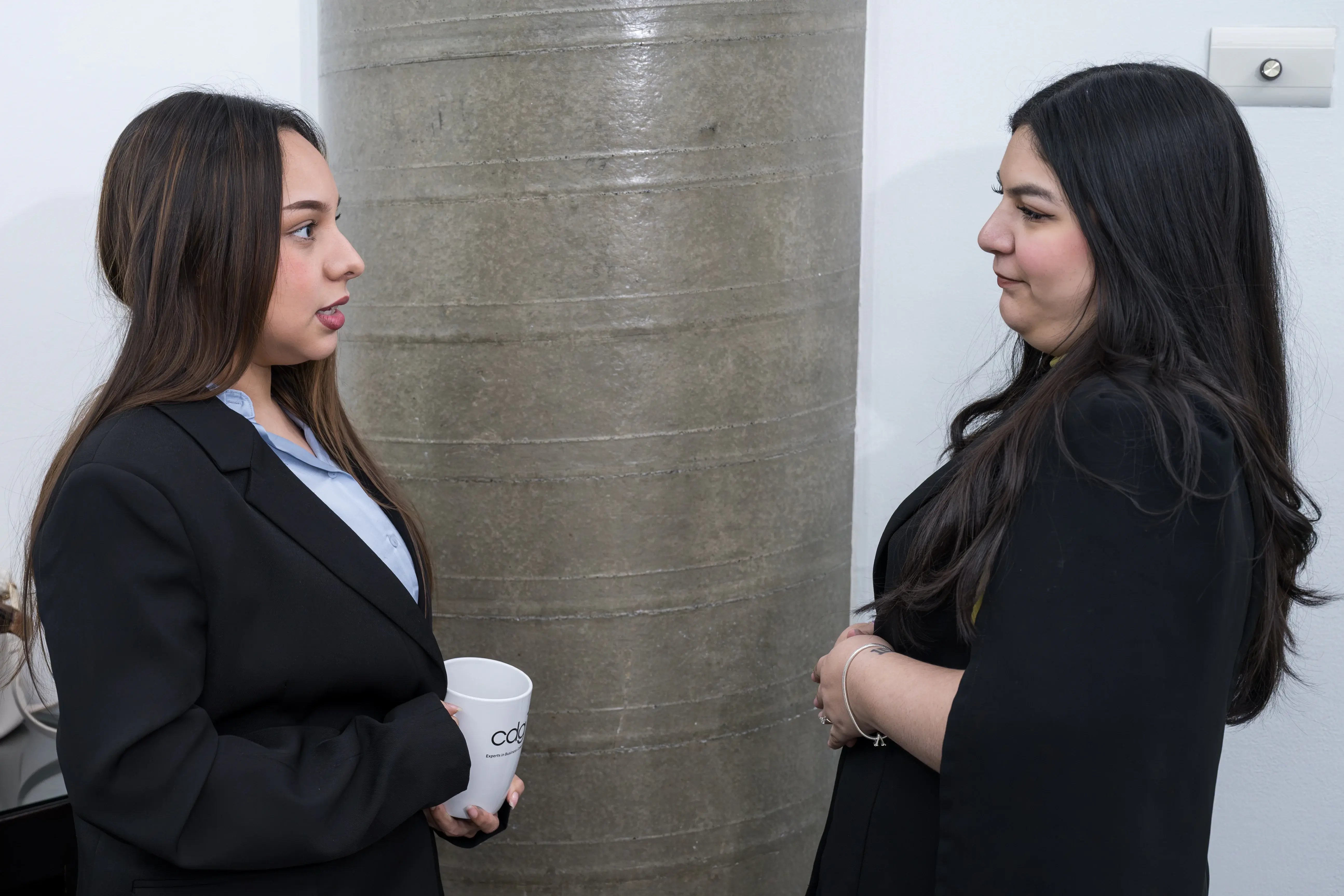
Facilitate dialogue about collaboration barriers, expectations and practices that need to change.
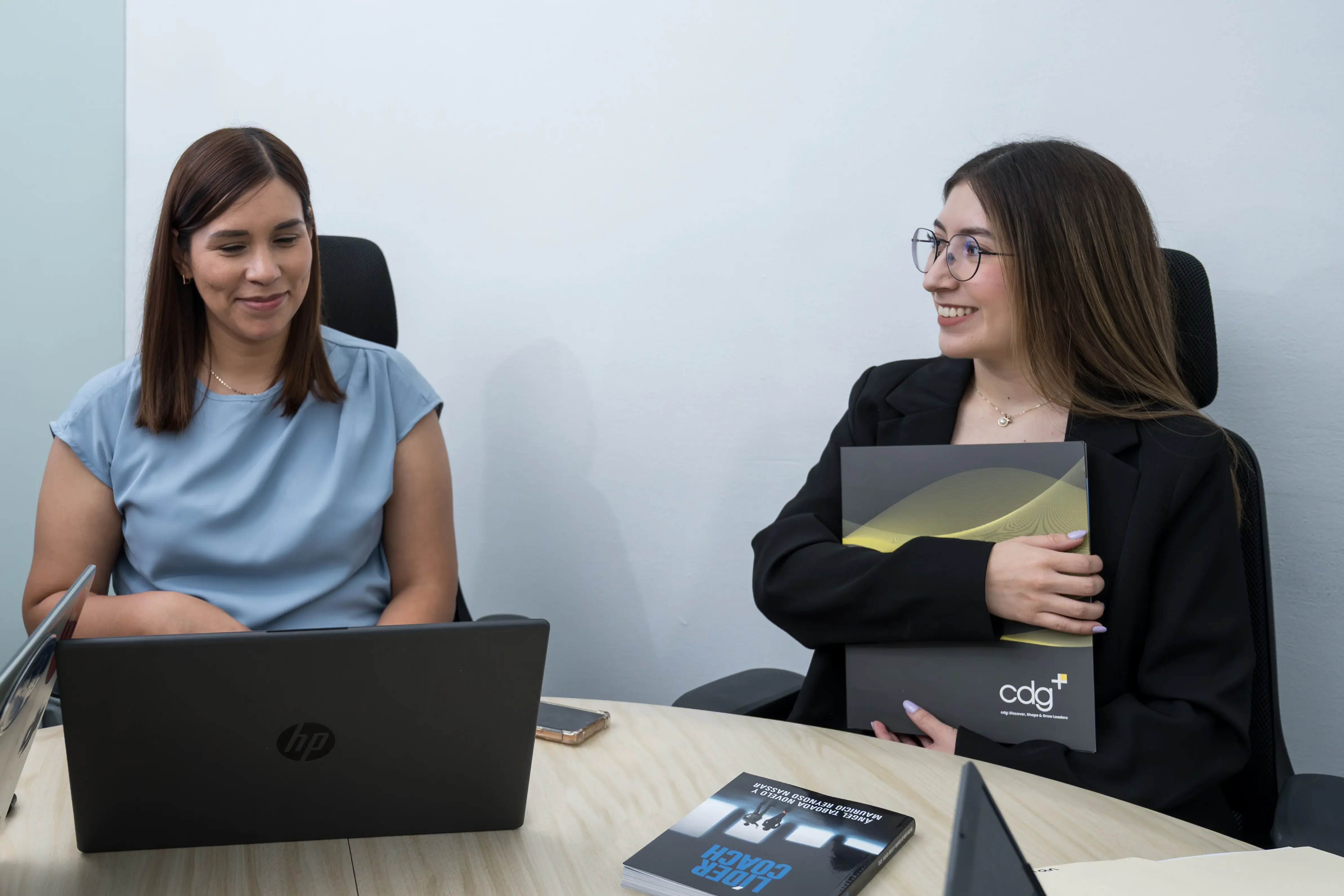
Document agreements that are useful for everyday work and define how they will be reviewed after the event.
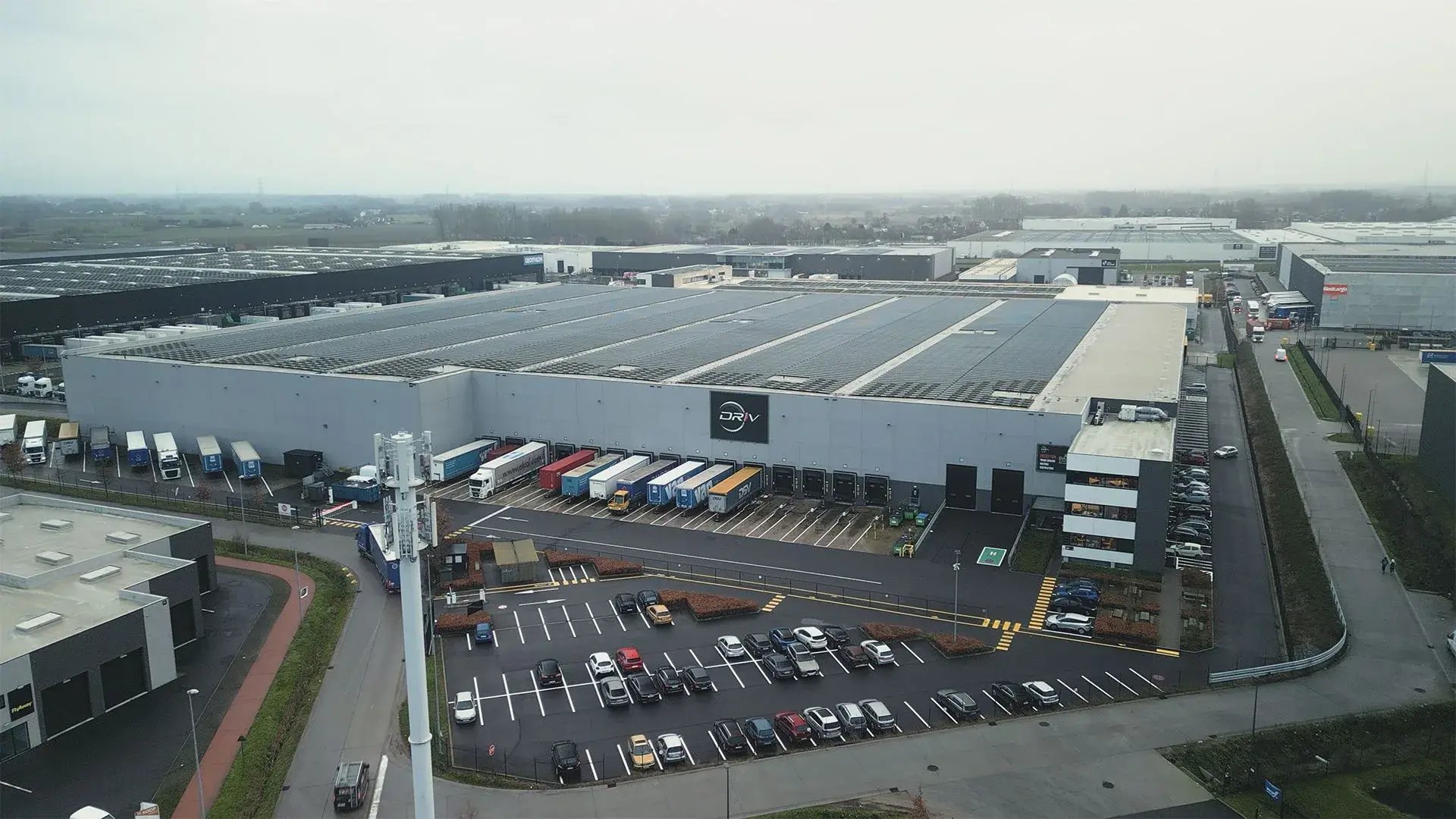
We start with a one-hour virtual session with leadership and HR to agree on the challenge, participants and deliverables. When it helps the diagnosis, we consider adding the Saville Assessment Work Roles assessment.
The typical one- or two-day agenda combines an opening, integration and substantive activities. With two days, the second allows you to go deeper into deliverables, agreements and follow-up.
We validate activities, timing and venue conditions with the company. The facilitator leads participation and reflection, with logistical support from HR.
Starting three business days after the close, the process includes presenting findings, recommendations and next steps. The proposal specifies the deliverables and schedule.
Experts share best practices for delivering team building: How do you prepare a team building session? How do you lead an executive team through topics or moments that may be difficult and complex? What makes a team building session extraordinary instead of ordinary? (Video in Spanish.)
cdg engagements that show how development connects with organizational challenges.
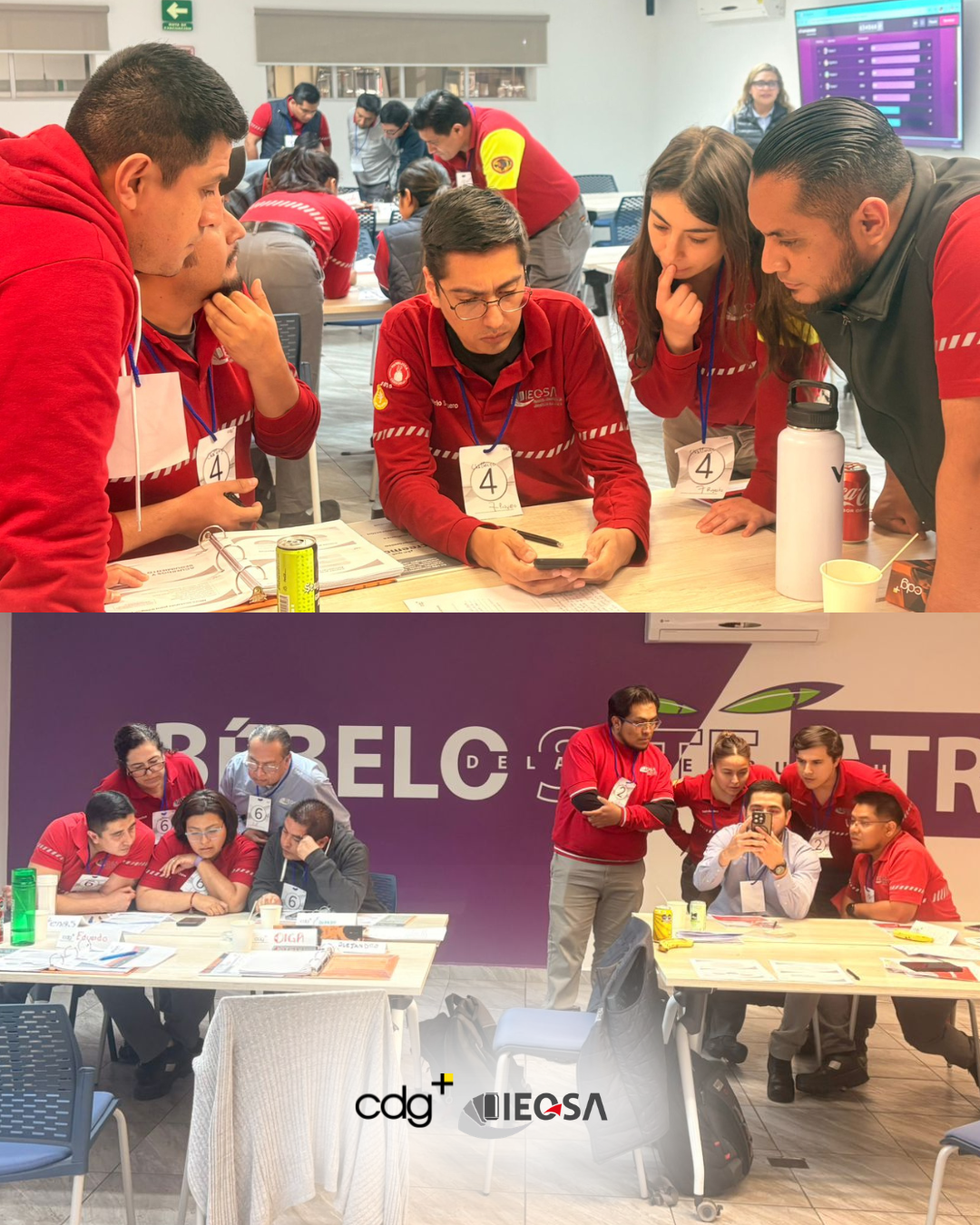
Challenge: Integrate corporate and plant teams during a global merger of auto parts companies.
Intervention: High-performance integration sessions at several sites in Mexico, designed to support the merger as it matured.
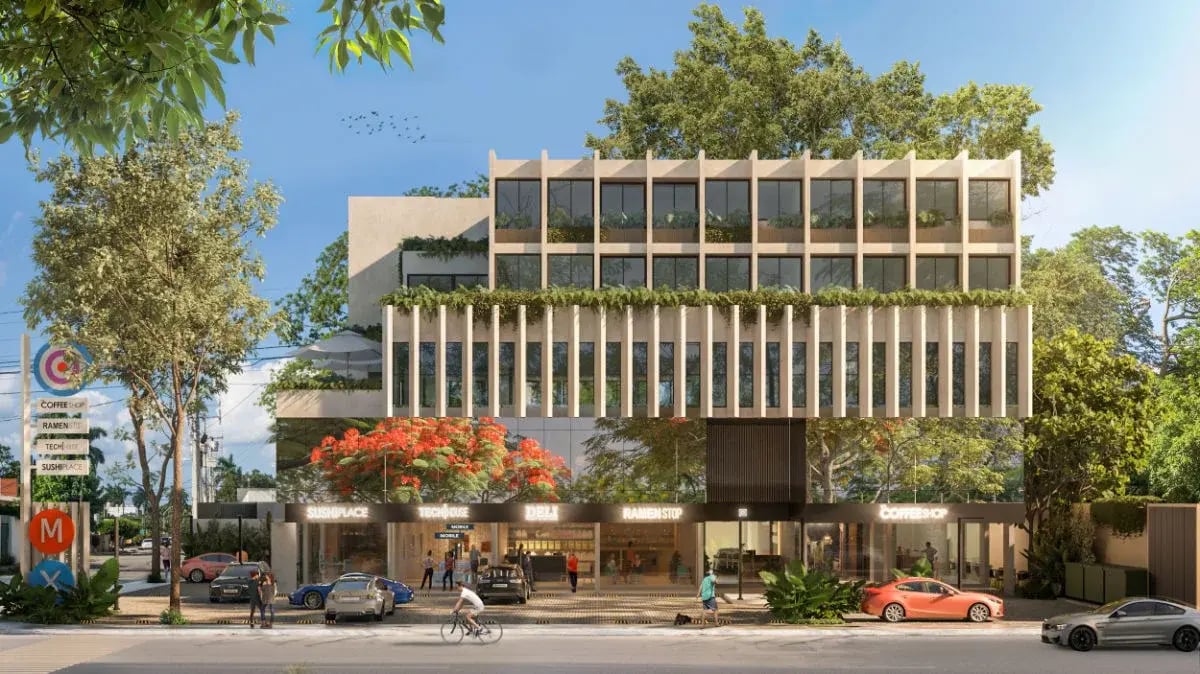
Challenge: Align the leadership team with an updated strategic plan.
Intervention: An off-site experience with leadership and HR to work on the organizational and talent capabilities needed to execute the strategy.
By submitting this form, you agree that we will process your information in accordance with our privacy policy, for professional purposes only.
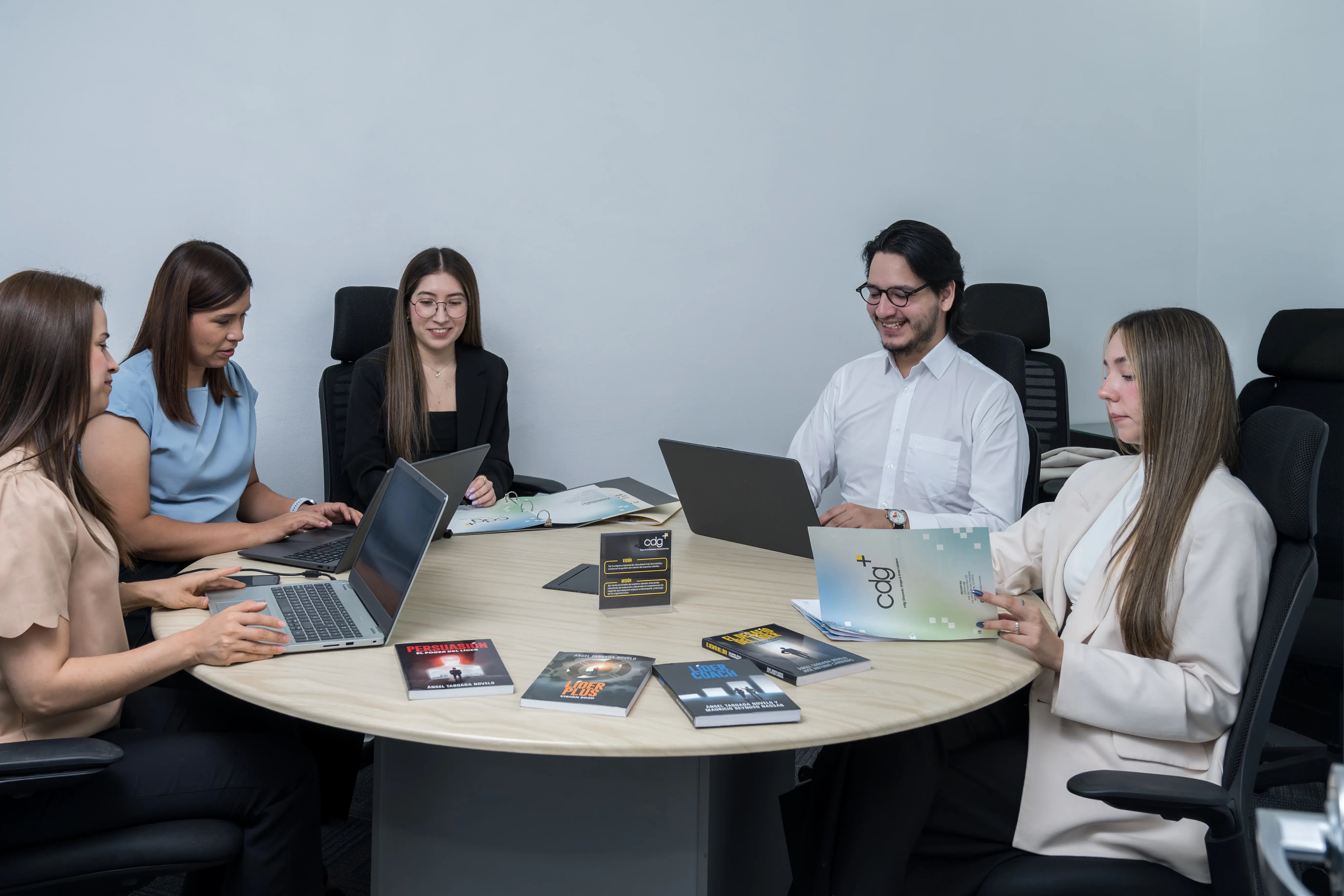
A social event brings people together. Strategic team building adds a work purpose, activities selected for that challenge, facilitated reflection and agreements the team can apply.
Yes. The design can address strategy rollout, cross-functional priorities, transformation or cultural integration. The purpose is validated in advance with leadership and HR.
cdg's standard agenda typically runs one or two days. The final length depends on the purpose, group size, activities and the company's availability.
The program can be designed as an in-person or virtual experience. The format, logistics and activities are defined based on the group's characteristics and goals.
The process includes a report with findings, recommendations and next steps. Its scope, deliverables and delivery times should be defined in the proposal.
The challenge to address, participant profile and headcount, dates, location, format and expected deliverables. With that information we review the scope; there is no single price for every project.
Explore options that complement this development need.
We design learning programs that connect competencies, culture and business priorities with on-the-job practice and application.
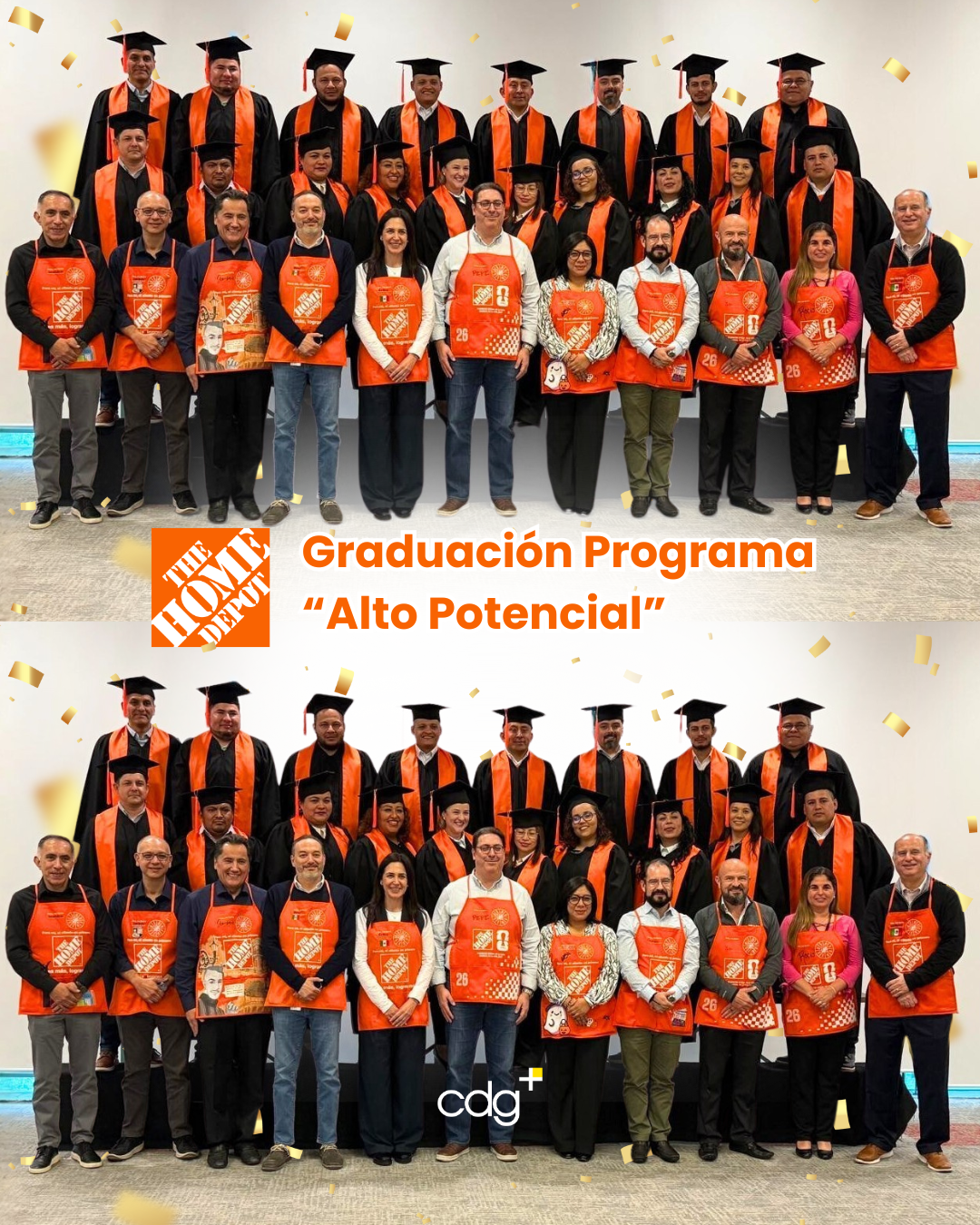
A comprehensive path to strengthen how managers and executives lead.
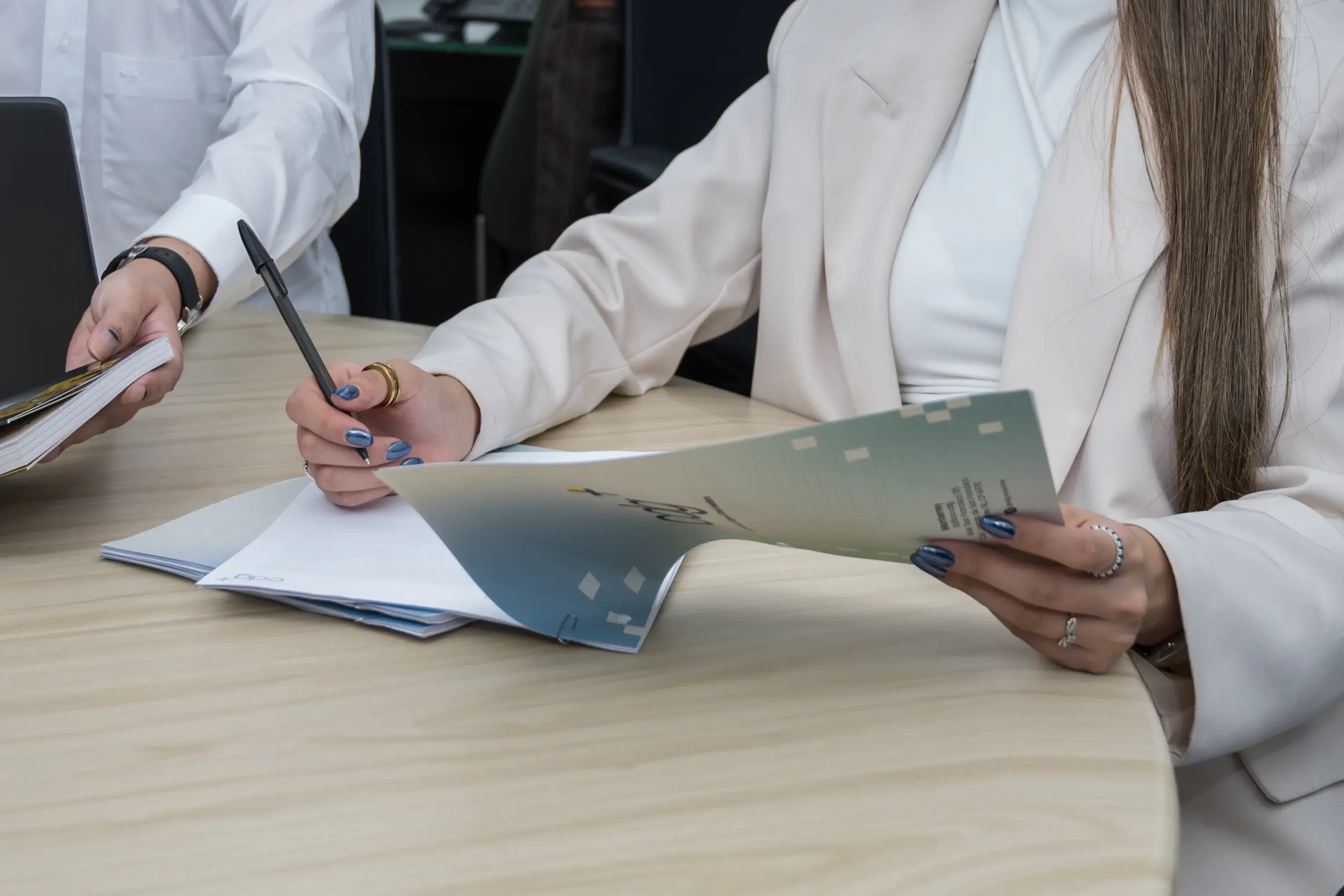
Browse the index of courses and programs to compare options by leadership level and your company's needs.
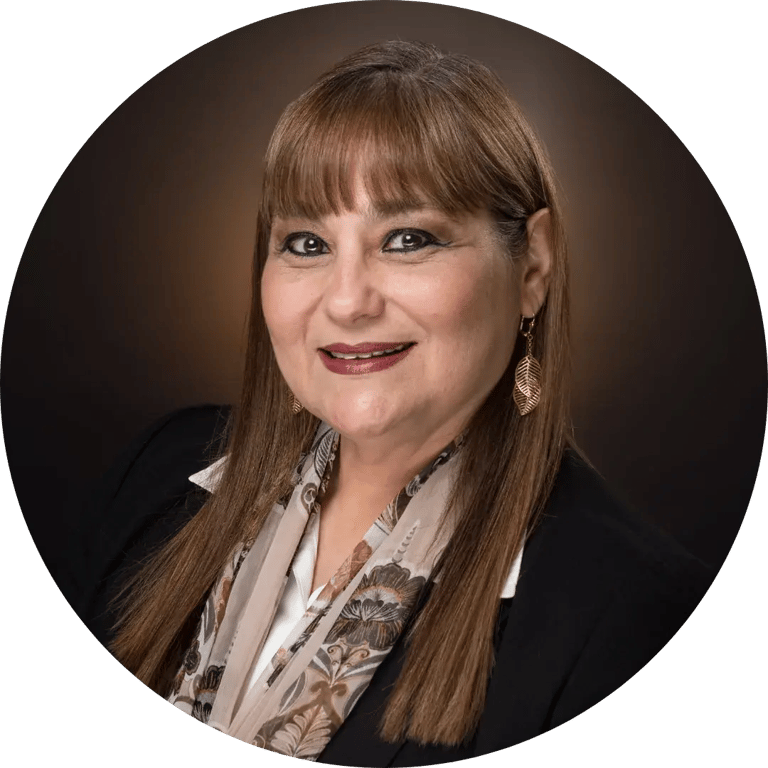
The cdg team combines competency development and group facilitation to help define the purpose, run the experience and guide next steps. The proposal specifies the facilitation profile required.
Liliana González
Competency Specialist
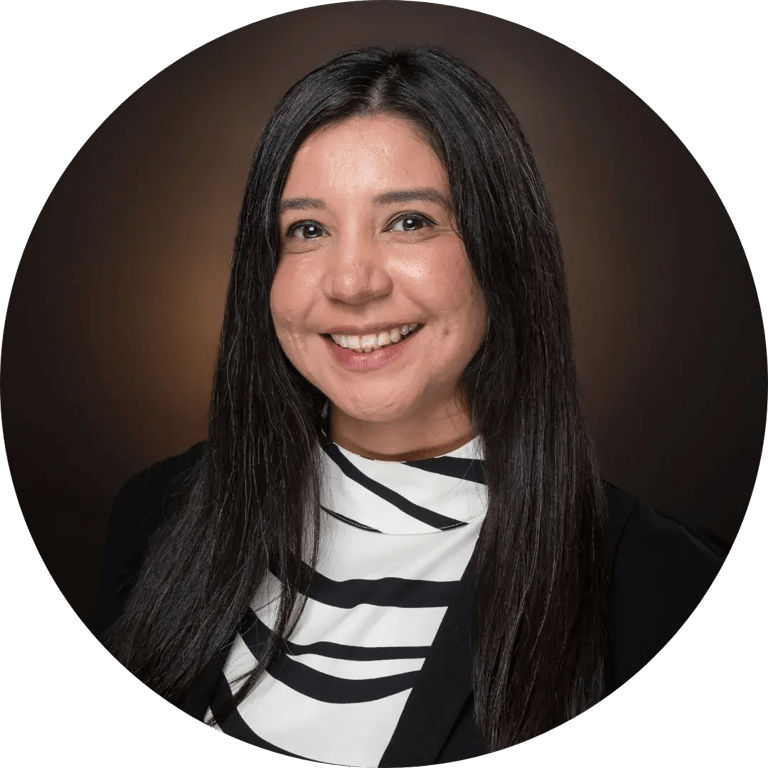
Susana Romero
Competency Specialist
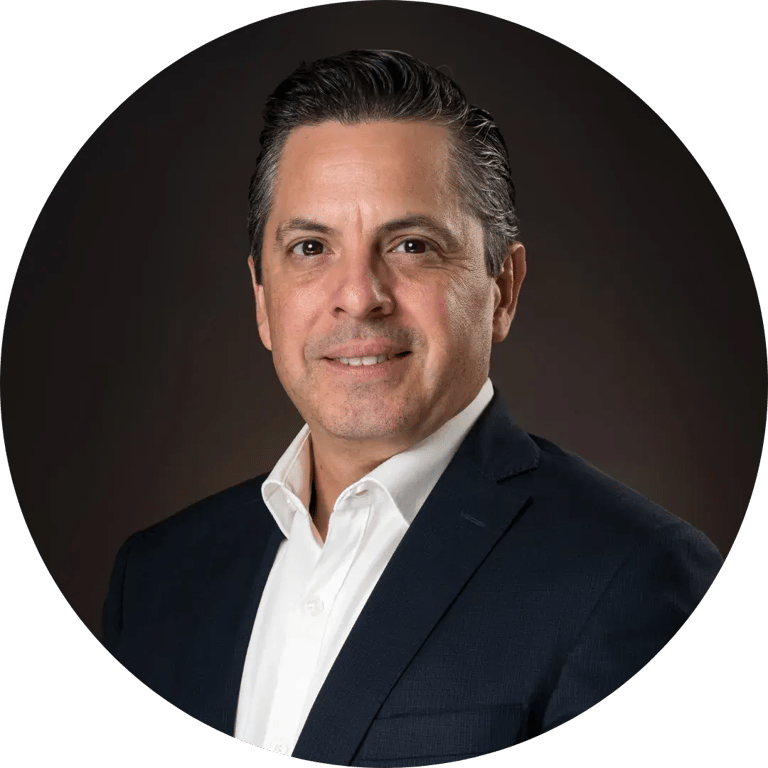
Ángel Taboada Garza
Managing Partner

Let's talk about what your team needs to coordinate, solve or build together.
Contact